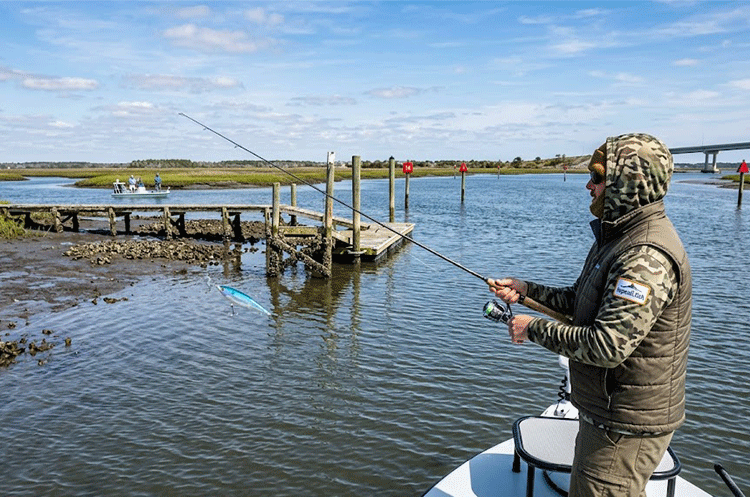
Topsail Island March Fishing: The Early Spring Transition
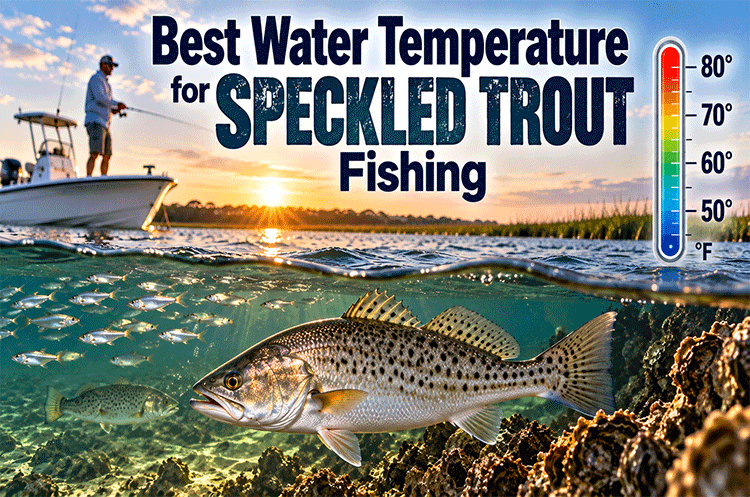
Executing a successful strategy for topsail island march fishing marks the exciting, volatile transition from lethargic winter holding patterns to the very first signs of consistent spring activity. Across southeastern North Carolina's estuarine networks, the month of March behaves like a grand environmental awakening. As daylight hours extend and water temperatures begin their slow, deliberate climb back into the low-to-mid 50s, the inshore "resident" gamefish populations—primarily Speckled Trout (Spotted Seatrout) and resilient Red Drum (Redfish)—start moving out of their stagnant winter deep-water sanctuaries. They feed with far more frequency, shifting across structural zones to shake off the winter chill. For light-tackle coastal anglers, success this month requires a balanced, tactical approach that blends winter patience with active spring exploration.
When fishing the early spring transition along Topsail Island, the primary biological driver on the water is temperature stabilization. Unlike the summer months when fish seek relief from intense heat, March fish are actively looking for the warmest pockets of water they can find. A temperature variance of just two or three degrees between a wind-swept channel and a protected sound flat can be the exact operational difference between an empty cooler and a banner day on the water. To capitalize on this movement, you must learn to read solar-driven topography, scale your retrieval cadences to match changing metabolic rates, and closely monitor fluctuating weather fronts.
Where to Target Fish During the March Transition
To find consistent success with topsail island march fishing, your physical coordinates must be driven by a simple rule: follow the bait and find the heat. As the sun sits higher in the sky each day, look for schools of trout and red drum shifting away from deep, muddy river channels toward these three highly productive transition environments:
- Shallow Mud Flats and Estuarine Basins: Focus your scouting efforts on shallow, dark-bottomed mud flats located far back inside our tidal marsh creeks. On sunny March afternoons, these dark, organic-rich flats absorb solar radiation rapidly, heating the immediate water column significantly faster than deeper surrounding channels. Red drum will eagerly push out of deep water onto these flats midday to soak up the ambient warmth and aggressively hunt for early-season fiddler crabs and grass shrimp, offering spectacular sight-fishing opportunities.
- Inlet Mouths and Boundary Bars: Both New River Inlet on the northern end and New Topsail Inlet to the south begin to see a major influx of marine life as water temperatures climb. These deep ocean passes function as the primary highways for migrating forage. Focus your efforts along the inside channel drop-offs and structural sandbar shelves flanking the inlets, where predatory fish stage to intercept incoming schools of baitfish moving into the sound.
- Sunny Dock Lines along the ICW: Target mature wooden or concrete residential docks lining the Intracoastal Waterway (ICW) that receive direct, unfiltered sunlight during the morning and early afternoon. The dark pilings and shallow bulkheads absorb heat, creating localized warm-water thermal zones that attract small schools of hungry speckled trout looking to feed on schooling mud minnows.
Local Hydrographic Rule: Because early spring fish are highly sensitive to sudden current shifts that move warm water across these shallow flats, timing your casting sessions around active water cycles is critical. To master how tidal flow changes these feeding windows across our sounds and inlets, review our comprehensive anchor post, What Tide is Best for Fishing Around Topsail.
Proven March Tactics and Lures: Mastering the "Medium-Slow" Approach
Because coastal waters are still cool in the early spring, a fish's metabolism is ramping up but has not yet hit full summer velocity. While trout and puppy drum are substantially more active than they were in January and February, they will still reject lightning-fast topwaters or high-riding summer lures. Your presentation style must sit cleanly in the middle—an arena defined by the "medium-slow" approach, where lures hover directly in the fish's immediate field of vision for extended periods.
1. Suspending Hard Twitchbaits
Hard-bodied baits engineered to hover neutrally in the water column when paused are lethal tools during the March transition. Plugs like the legendary MirrOlure 17MR or 27MR are purpose-built for this exact fishery. They mimic a juvenile baitfish suspended helplessly in the water column, allowing you to twitch the rod tip to flash the sides and let it sit directly in the strike zone. Extend your pauses to anywhere from 3 to 6 seconds; transition trout will track the bait silently and engulf it while it hangs completely motionless.
2. Scented Soft Plastics on Lightweight Jigheads
When red drum are actively cruising the edges of shallow mud flats or drop-offs, lead-headed jigs paired with high-potency soft plastics remain the absolute king. Run a 3-inch paddle tail swimbait or a lifelike shrimp imitation—such as a Z-Man ElaZtech minnow or a scented Gulp! Shrimp—on a light $1/8\text$ or $1/4\text$ short-shank jighead. Retrieve the rig using a deliberate "hop-and-pause" cadence, ensuring the plastic hits the bottom on every drop. The added scent trail emitted by these baits helps sluggish fish track down your presentation through clear spring waters.
3. The Popping Cork Resurgence
As water temperatures consistently strike the 55-degree mark later in the month, the classic popping cork rig becomes an absolute weapon once again along our marsh boundaries. Suspend a live mud minnow or a artificial shrimp lure $1.5 \text 3 \text$ beneath a weighted, high-visibility popping cork. Cast the rig tight to the edges of shallow oyster bars and flooded cordgrass walls. Give your rod tip a sharp mechanical snap to make the cork "chug" across the surface; the splash mimics surfacing trout, drawing fish out from deep within the structure directly to your hook.
| March Presentation | Target Transition Structure | Retrieval Cadence Specification | Strategic Advantage |
|---|---|---|---|
| Suspending Twitchbaits (17MR) | Sunny dock faces & channel shelves | Twitch-twitch-pause (3-6 second rest) | Hovers neutrally without sinking into bottom debris |
| Scented Shrimp (Gulp!) on $1/8\text$ Jig | Shallow mud flats & creek drains | Slow hop-and-drop with brief bottom rests | Scent trail triggers feeding reactions in early sun blocks |
| Live Mud Minnow under Popping Cork | Oyster bar edges & marsh walls | Sharp intermittent snaps with 5-second rests | Acoustic chug draws fish from deep structural cover |
Prepare for Variable Weather: The March Mood Swings
March in coastal North Carolina is famous for its volatile, fast-moving atmospheric shifts. An early spring week can deliver summer-like southwest winds that push sound temperatures up overnight, triggering a massive, aggressive feeding event. Conversely, a sudden late-season cold front can bring powerful northeast winds that rapidly drop water temperatures, push muddy water into our inlets, and shut down the bite entirely for several days.
The most successful transition anglers learn to study the wind direction and water clarity rather than just looking at the calendar. Focus your efforts on the leeward sides of marsh islands during windy days to locate clean, fishable water columns, and lighten your leaders down to stealthy $12\text$ fluorocarbon to maintain a low-impact visibility profile in the clear spring sound. To learn how to properly gather and hook the absolute finest spring forage options before heading down to the boat ramp, review Bait School: Choosing And Using The Best Live Baits For Topsail Success.
Book an Early Spring Guide
Successfully navigating the early spring transition requires an intimate, day-by-day understanding of local hydrodynamics—knowing exactly which shallow creeks are warming up first, which wind directions are fouling the inlets, and where schools are staging along the ICW. Hiring an experienced, licensed local charter captain ensures you completely skip the grueling transition scouting phases, stepping directly onto custom-rigged vessels equipped with premium light tackle configurations and fresh bait sources. Explore our verified, comprehensive Topsail Island Charter Captains Directory to partner with a premier inshore specialist and book your March spring excursion today!
Plan Your Next Season on the Water
Every month offers something different around Topsail Island. Continue exploring seasonal fishing patterns, current fishing activity, weather and tide conditions, species guides, and experienced local captains to help you make the most of your next trip.
🎣 Planning a trip to the NC coast? Before you book a boat down south, check out why Topsail vs. Wilmington fishing offers a better backwater experience. 🎣
Own a Fishing Charter Around Topsail Island?
Get your business in front of local anglers searching for fishing charters, guides, and inshore adventures on Topsail.Fish. Our directory listings are designed to help captains improve online visibility, increase bookings, and build a stronger local presence.
Professional listings start at just $12/month.