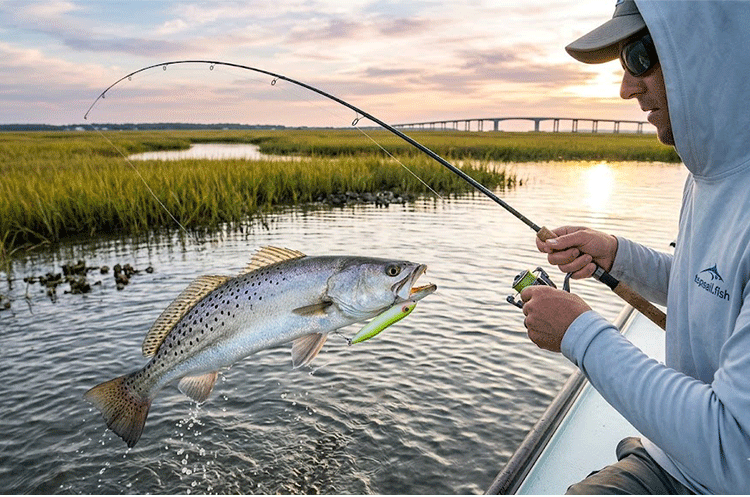
Topsail Island Speckled Trout Fishing: The Ultimate October Guide
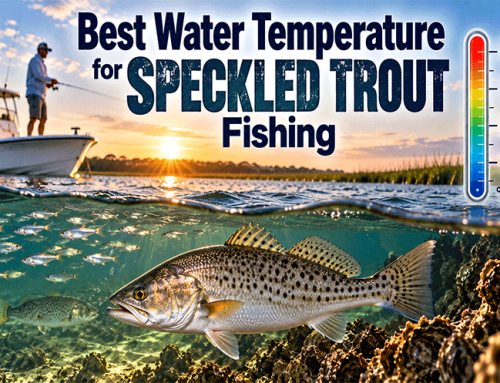
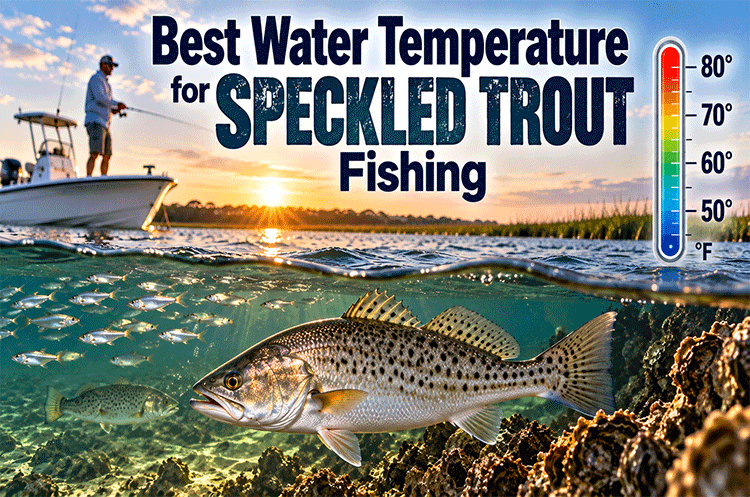
While September might belong to the Red Drum, October is unquestionably the premier month of the year for topsail island speckled trout fishing. Locally known as spotted seatrout, these beautiful, silver-and-black-spotted predators respond aggressively to the dramatic drop in autumn water temperatures. As our local estuaries cool down into the low-70s and upper-60s, it triggers an intense metabolic feeding frenzy. Trout move inshore in massive, dense schools, feeding heavily on migrating shrimp and finger mullet to build energy reserves before winter settling patterns lock in. For light-tackle inshore anglers, October offers the most explosive and consistent casting windows of the entire year.
Successfully targeting fall trout along Topsail Island requires a shift from slow summer bottom fishing to dynamic, current-driven mid-water column presentations. Because speckled trout hunt entirely by sight and sound, water clarity and stealth become absolute priorities. Whether you are throwing surface walking baits at sunrise, popping a live shrimp along a grass edge, or bouncing soft plastics down a deep bridge fender, mastering local hydrodynamics and structural current lines will completely transform your catch rate this season.
Top October Speckled Trout Hotspots: Mapping the Sound and Inlets
Speckled trout are classic ambush predators that rely heavily on swift-moving currents and physical underwater cover to conceal themselves from passing bait schools. To locate feeding trout in October, focus your efforts around these four highly productive local environments:
- New River Inlet: The jagged rock jetties, deep-water drop-offs, and dynamic channels shaping the mouth of New River Inlet serve as premier ground for hunting massive "gator" trout (fish exceeding 24 inches). Fish the incoming or outgoing tide cycles directly around the hard structures where baitfish get trapped in the eddy currents.
- Surf City High Rise Bridge Pilings: The massive concrete columns supporting the high-rise bridge act as giant vertical tide breaks. Trout congregate in tight schools on the down-current side of these pilings, waiting comfortably in the slack-water pockets for the sweeping current to deliver migrating shrimp. Fishing early morning, late evening, or under the bridge lights at night yields exceptional results.
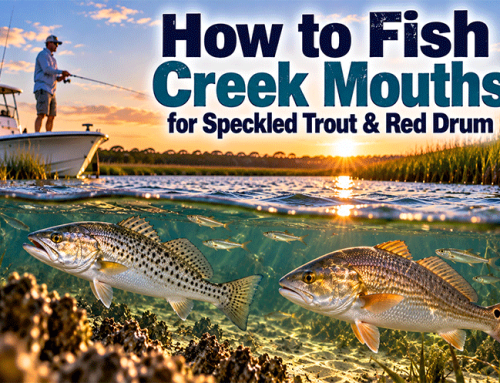
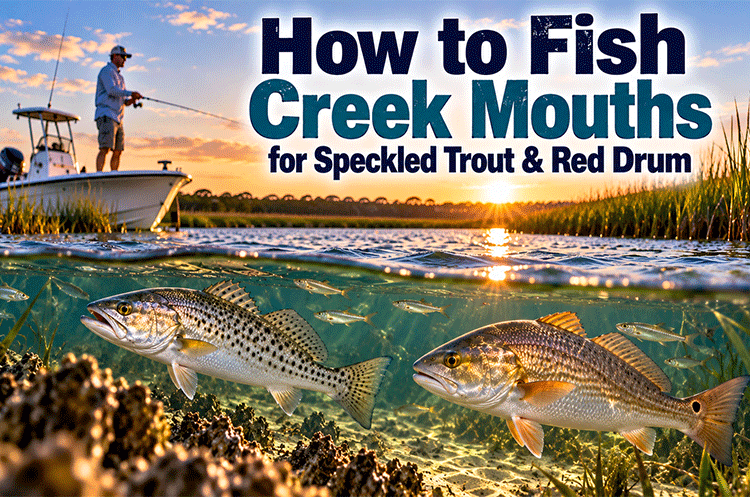
- Marsh Creek Mouths: On a falling tide, position your vessel or kayak downstream from small feeder streams where they empty out into the main sound. Trout will stack up horizontally in the deeper channel cuts, facing directly up-creek to intercept shrimp and finger mullet as they are flushed out of the draining cordgrass marshes.
- Intracoastal Waterway (ICW) Docks: Focus heavily on older wooden or concrete residential docks that border deeper sound channels ($5 \text 10 \text$ of water at low tide). Mature docks with heavy barnacle growth attract small minnows and grass shrimp, creating a localized all-day buffet for hungry seatrout.
Local Hydrographic Rule: Because trout behavior is entirely driven by current velocity pushing forage through these specific choke points, timing your trips with active water cycles is critical. To learn exactly how to coordinate your marsh casting with peak current flows, explore our anchor post, What Tide is Best for Fishing Around Topsail.
Proven October Rigs and Lures: Matching the Autumn Forage
October speckled trout can occasionally be finicky feeders, but when the autumn migration hits its peak, they are typically highly aggressive. The goal is to perfectly mimic the profiles of the two dominant bait sources running through our waters: juvenile finger mullet and translucent brown shrimp. Your terminal tackle configuration must be tailored to match these movements:
1. Surface Walking Topwater Plugs
This is easily the most exciting and visually explosive way to catch trout. During low-light periods at dawn and dusk, trout cruise shallow flats and grass points looking upward for surface-swimming mullet. Deploy a high-quality surface walker like a Heddon Zara Spook Jr. or a MirrOlure Top Dog. Work the plug utilizing a rhythmic, side-to-side "walk-the-dog" rod tip cadence. When a trout blasts the lure on the surface, resist the urge to immediately hook-set; wait until you feel the physical weight of the fish pull your rod tip down before executing a firm, low side sweep.
2. Lead-Headed Jigs and Scented Soft Plastics
This is the absolute workhorse setup for mid-day angling or deep-water structure tracking. Use a premium, sharp $1/8\text$ to $1/4\text$ jighead paired with a $3\text4\text$ soft plastic paddle tail swimbait—such as a Z-Man Diesel Minnowz in the iconic "Electric Chicken" or "Mule Tail" colorways. Alternatively, running a 3-inch scented Gulp! Shrimp along the bottom replicates local shrimp perfectly. Retrieve these presentations utilizing a quick "twitch-twitch-pause" motion. Keep your line tight on the pause, as virtually $90\%$ of all trout strikes occur as the lure is slowly fluttering back down toward the mud.
3. The Live Shrimp Popping Cork Rig
When the artificial bite slows down, live bait remains an almost irresistible presentation for stubborn gator trout. Rig a fresh, live shrimp upward through the tough horn of the head (avoiding the dark spot containing the brain) or cleanly through the tail section. Suspend the bait $2 \text 4 \text$ beneath a high-visibility, weighted popping cork along a shallow grass edge or oyster point. Give the rod tip a sharp, intermittent snap to make the cork "pop" loudly across the surface film. The cupped face of the cork produces a splashing chug that mimics a trout surfacing to strike, drawing fish from deep within the marsh directly to your hooked shrimp.
| Presentation Choice | Optimal Time of Day | Ideal Structure Zone | Retrieval Cadence |
|---|---|---|---|
| Topwater Walkers | Dawn, Dusk, & Overcast Days | Shallow Grass Flats & Oyster Points | Continuous side-to-side walk-the-dog |
| Paddletail Jigs | Mid-Day Current Runs | Bridge Pilings & Deep Channel Edges | Erratic twitch-twitch-pause (on tight line) |
| Live Shrimp under Cork | All Day / Dirty Water Phases | Marsh Creek Mouths & Dock Fronts | Sharp intermittent pops with 10-second rests |
Tactical Field Tips for Catching More Fall Trout
Speckled trout possess incredibly fragile mouth tissue and highly sensitive sensory systems. Elevating your catch count requires adjusting your physical behavior and angling style to match these delicate biological characteristics:
- Maintain Absolute Silence: Trout are easily spooked by unnatural acoustic vibrations. Avoid slamming boat hatches, dropping heavy gear on fiberglass decks, or running your trolling motor at maximum speed. If you are tracking a school along a shallow bank, drift silently into position or anchor well up-current using a quiet pole system.
- Perfect Your Casting Vectors: Never cast your lure directly into the middle of a suspected school of fish; this will cause the entire pod to scatter instantly. Instead, cast your presentation several feet *past* your target or upstream into the current, allowing the water flow to sweep your lure naturally through the feeding zone.
- Lighten Your Rod Actions: Because a seatrout's jaw lining breaks incredibly easily under pressure, using a rigid heavy rod will simply pull the hook cleanly through their mouth skin during a fight. Utilize a $7\text7.5\text$ medium-light action spinning rod paired with a smooth drag system and a premium $15\text$ fluorocarbon leader line. This lighter setup cushions sudden head-shakes and runs, ensuring the hook stays securely pinned.
Sustainable Release Note: Due to their soft tissue, trout are highly susceptible to handling injuries. If you are catching out-of-season or sub-legal fish, handle them with thoroughly wet hands, utilize a knotless rubber landing net to preserve their protective slime coat, and avoid squeezing their abdominal cavity. Releasing them gently ensures a healthy, thriving population across future spawning cycles. For tips on gathering fresh local live option forage safely before your trip, check out Bait School: Choosing And Using The Best Live Baits For Topsail Success.
Book an Inshore Trout Expert
Because fall speckled trout are highly dynamic and move rapidly based on moving wind shifts, local barometric pressure fluctuations, and exact daily tidal heights, tracking down consistent schools can carry a steep learning curve for visiting anglers. Hiring an experienced, licensed local charter guide ensures you skip the scouting phase completely, stepping directly onto custom-rigged vessels equipped with the absolute finest live bait and specialized light tackle available. Explore our verified, comprehensive Topsail Island Charter Captains Directory to partner with a premier inshore specialist and lock in your October booking today!
Master the Bite: Plan Your Next Catch
Now that you’ve learned about this species, take the next step by checking what’s biting this week, learning when this fish is at its seasonal peak, reviewing recent captain reports, improving your techniques, and finding a local captain to put you on the fish.
🎣 Planning a fishing trip to coastal North Carolina? Before choosing a charter destination, discover why many anglers prefer Topsail Island’s less crowded waters, productive back bays, and outstanding inshore and surf fishing opportunities.
🎣 Planning a trip to the NC coast? Before you book a boat down south, check out why Topsail vs. Wilmington fishing offers a better backwater experience. 🎣
Own a Fishing Charter Around Topsail Island?
Get your business in front of local anglers searching for fishing charters, guides, and inshore adventures on Topsail.Fish. Our directory listings are designed to help captains improve online visibility, increase bookings, and build a stronger local presence.
Professional listings start at just $12/month.