How to Avoid Wind Knots: Master Technical Casting and Gear Setup
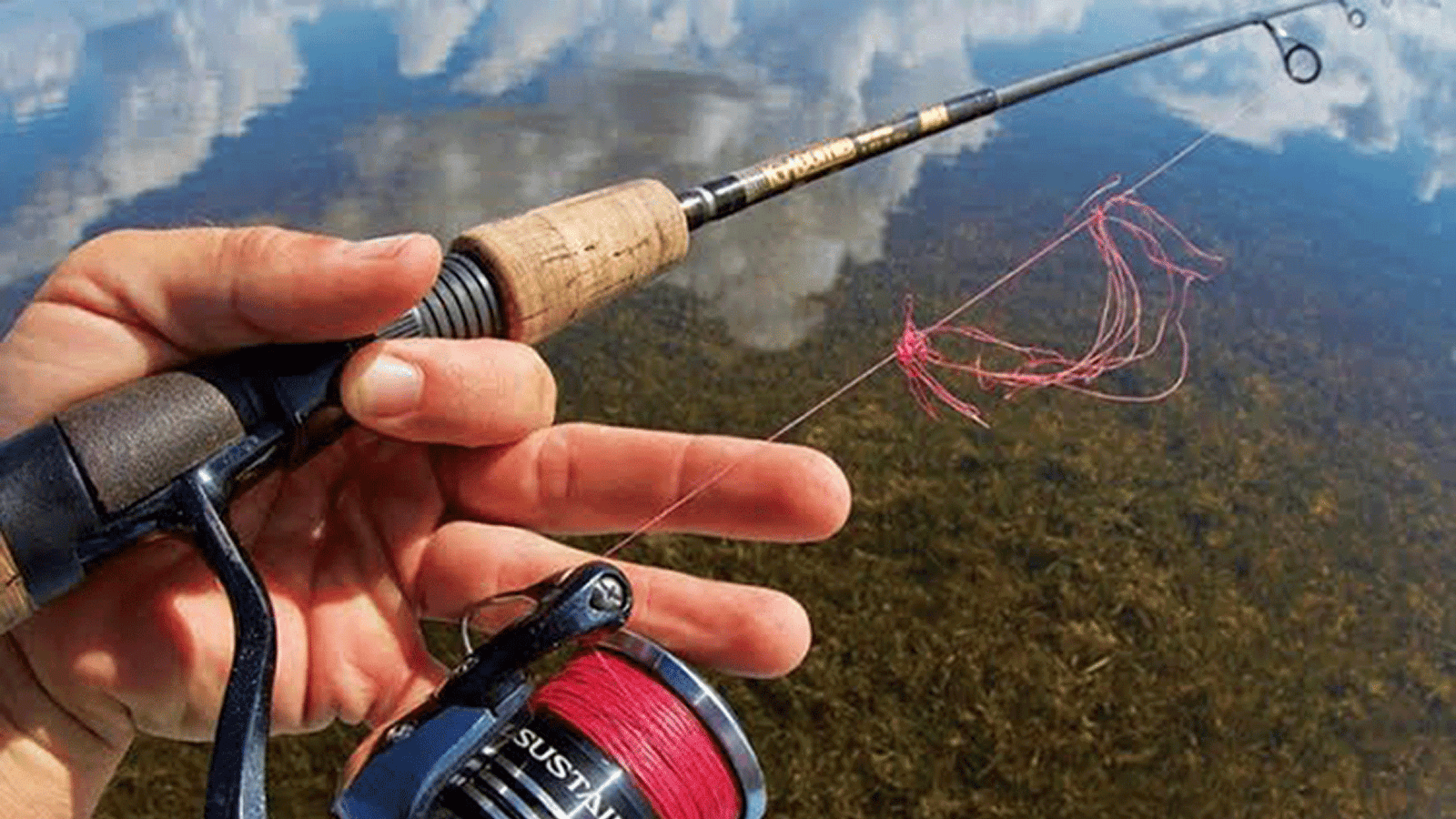
The Angler’s Worst Enemy: You launch a crisp, long-distance cast into a promising breeze. Mid-flight, your line crackles, snaps against the rod guides, and locks up in an instant. Looking down at your spinning reel, you are greeted by a chaotic, multi-loop bird’s nest resting halfway up your line path. You have just fallen victim to a wind knot.
Despite their name, wind knots are rarely caused directly by the wind itself. While a strong gust can exacerbate the issue, wind knots are almost always the result of line management failures, improper reel spooling, equipment mismatches, or poor casting technique. The modern shift toward ultra-thin, supple braided lines has made anglers more prone to these dreaded tangles than ever before.
In this comprehensive guide, we will break down the mechanics of what creates a wind knot, explore gear adjustments that eliminate them at the root, detail the muscle-memory casting habits you need to adopt, and show you how to untangle them without cutting away dozens of yards of expensive line.
What Is a Wind Knot (and Why Does It Happen)?
A wind knot occurs when a loop of line slips off the spool uncontrolled while casting. Because braided line has virtually zero memory and high flexibility, this loose loop travels through the rod guides faster than the main line feeding through them. As it catches air resistance or clips against a guide frame, it wraps around itself and forms a tight, hard knot in mid-air.
To eliminate them permanently, you must address the primary root causes:
- Loose Line Layers on the Spool: Retrieving lures with low resistance (like topwater walk-the-dog lures, soft plastics, or jerkbaits) leaves slack line wound onto the spool under low tension.
- Overfilled Spools: Loading a reel with too much line allows loose top layers to slide off the lip prematurely during a powerful whip cast.
- Flipping the Bail with the Handle: Turning the reel handle to close the bail mechanism leaves a loose loop across the spool lip every single cast.
- Line Twist: Swaddled, twisted line creates spiraling loops that fold back onto themselves as soon as tension drops.
- Improper Rod and Line Matching: Using overly stiff guide layouts or mismatched braid diameters for your rod action creates excess friction during line release.
1. Perfect Your Reel Spooling Technique
Preventing wind knots begins at home long before you arrive at the water’s edge. How you load your braided line onto your spinning reel dictates its behavior for months to come.
Avoid Overfilling the Spool
The single most common gear error is filling the spool too high. Leave a distinct lip on your spool edge. As a general rule, your line level should stop approximately 1/16 to 1/8 of an inch (1.5mm to 3mm) below the bevel of the spool lip. If line sits flush with or overhangs the lip, multiple coils will peel off simultaneously during a hard cast, forming a wind knot almost instantly.
Spool Under Consistent, Heavy Tension
Never spool braided line loosely. Softly packed braid allows outer layers under high drag to bite deep into lower layers. On your subsequent cast, that buried line grabs the adjacent loose coil and pulls it off the spool prematurely in a clump.
Pro Tip for Spooling Braid: Run your main line through a thick leather glove or folded phone book while winding it onto the reel. Keep firm pressure on the line so it packs onto the spool rock-hard. If you can depress the spooled braid with your thumbnail, it is spooled too loose!
Verify Spool Washer Alignment (Line Lay Profile)
Examine the profile of your spooled line. Is it cylinder-shaped, cone-shaped, or inverted? Most modern spinning reels include small plastic or felt shims underneath the spool assembly:
- Forward Taper (Thicker at top): Causes loose loops to slip easily off the top lip. Add a shim washer underneath the spool to drop the spool lower and level out the line lay.
- Reverse Taper / Hourglass (Thicker at bottom): Generally safer for preventing wind knots, but extreme tapers reduce casting distance. Remove a washer to raise the spool position slightly.
2. Adjust Your Casting Mechanics
Even perfectly spooled gear will yield wind knots if your casting mechanics introduce slack line into the system. Developing key habits on the cast eliminates over 90% of all wind knot occurrences.
Habit 1: Close the Bail Manually
When you cast a spinning reel and turn the handle to pop the bail shut automatically, the bail arm sweeps forward under mechanical force. This movement almost always grabs a loop of slack line and drapes it loosely across the top edge of the spool rather than seating it smoothly inside the line roller.
The Fix: Train your non-dominant hand to close the bail wire manually as soon as your lure hits the water. This single mechanical adjustment stops loose loop formation immediately.
Habit 2: Feather the Line and Pull It Tight
Right before your lure lands in the target zone, lightly feather the spool rim with your index finger to slow down outgoing line velocity. As soon as the lure splashes down, close the bail by hand and perform a quick upward stroke of the rod tip or gently pull the line taut with your fingers before turning the handle.
The Golden Rule: Never turn the reel handle while there is visible slack dangling between your rod tip and the water line.
Habit 3: Smooth Out Your Cast (Avoid “Whip” Motion)
Brutal, violent snapping motions during a cast bend light rod tips aggressively. When the rod unloads, the tip rebounds violently back and forth (rod tip oscillation). This chatter creates rapid waves of slack in your line right at the choke guide, catching outgoing line loops and creating a wind knot mid-air. Cast with a smooth, accelerating power stroke rather than a sharp whip.
Local Note for Coastline Anglers (Sneads Ferry to Hampstead):
If you’re fishing the waters around Topsail Island—whether you’re tossing topwaters for redfish in the tidal creeks behind Sneads Ferry, working jerkbaits along the ICW marshes near Hampstead, or casting into a stiff afternoon sea breeze from the ocean piers in Surf City—wind knots will quickly ruin your day. Coastal North Carolina’s midday S/SW winds love to catch light braid. When casting light soft plastics or topwater lures into a breeze along New River Inlet or the Topsail beaches, always feather your spool right before the lure hits the water and manually close your bail to prevent loose line loops from wrapping your guides.
3. Line Selection and Maintenance
Not all braided lines behave the same in wind. Choosing line with the proper strand count and stiffness profile makes a substantial difference in line control.
| Braid Type | Strand Count | Characteristics | Wind Knot Risk |
|---|---|---|---|
| 4-Carrier (4-Strand) | 4 Strands | Coarser, stiffer texture, round-to-flat profile. Cuts through vegetation well. | Low (Stiffness prevents tight looping) |
| 8-Carrier (8-Strand) | 8 Strands | Silky smooth, extremely limber, cast long distances. | Moderate (Pliable texture loops easily if slack) |
| 12-Carrier / Fused | 12 Strands / Fused Body | Ultra-smooth, round, supple, zero body memory. | High (Requires strict line management) |
Manage Lure Resistance and Line Tension
Finesse lures like unweighted soft plastic worms, popping corks, walk-the-dog topwaters, and light jerkbaits do not exert constant resistance on line retrieval. Because you are continually snapping the rod tip to impart action, you wind slack line onto your spool in alternating soft and hard coils.
When working slack-line lures, periodically make a long, high-resistance cast with a heavier spinnerbait or deep-diving crankbait. Alternatively, pinch the line between your thumb and forefinger above the reel during a slow retrieve to re-pack loose inner layers firmly under manual tension.
Eliminate Line Twist
Line twist is an underrated culprit. Using inline spinners, twisted soft baits, or retrieving lures while your drag is slipping all add severe twist to braided line. Twisted braid naturally spirals and double-backs on itself the instant tension is relieved.
To remove line twist entirely, take off your leader, hook, and swivel. Pay out 50-75 yards of bare braid behind a moving boat or into a flowing freshwater current. Let the water drag float out all line twist naturally for 5 minutes, then reel the line back in tightly through your fingers.
Quick Checklist to Avoid Wind Knots
- Underfill slightly: Leave a 1/16″-1/8″ gap below the spool lip edge.
- Pack it tight: Always spool braided line under high manual tension.
- Manual closure: Close the bail arm with your hand every single cast.
- Eliminate slack first: Lift the rod or manually pull line taut before cranking.
- Check line roller bearings: Ensure your reel’s line roller spins freely so it doesn’t twist line on retrieve.
- Match braid rating to target rod guides: Avoid running ultra-stiff 50lb braid through tiny micro-guides, or whisper-thin 6lb braid on heavy-action surf rods.
How to Pick Out a Wind Knot Without Cutting Your Line
When a wind knot inevitably happens, don’t immediately reach for your line cutters. Because braided line lacks memory, most wind knots are actually loose slip knots wrapped around a central line core.
CRITICAL WARNING: Never pull hard on both sides of a wind knot! Yanking line end-to-end pulls the loose loop tight, locking the fibers into a permanent knot that can only be cut away.
Step-by-Step Wind Knot Picking Technique
- Open the Reel Bail: Immediately open your bail wire to release all tension on the line system.
- Isolate the Knot: Gently pull line out through your guides until the knot passes outside the tip top. Do not force it if it catches on a guide ring.
- Find the Main Loop: Hold the tangle in your fingers and identify the main loop traveling back down toward the reel spool.
- Use a Guide Pin or Hook Point: Take a small hook point, safety pin, or heavy needle and slide it inside the center of the mass. Gently tease individual loops apart working from the outside edges inward.
- Pull Loop Bodies, Not Ends: Gently pull individual loop bends sideways away from the core knot bundle. In most cases, the central tangle will loosen instantly and slide free along the line.
Take Away
Wind knots can feel like an inevitable tax you pay for using ultra-sensitive, long-casting braided fishing lines, but they are almost entirely preventable. By spooling under tight tension, leaving a safety gap at your spool lip, closing your bail manually, and pulling slack taut before turning the handle, you can virtually eliminate wind knots from your fishing trips forever.
Adopt these mechanical habits, pay attention to your reel’s line tension, and spend your days making uninterrupted casts instead of picking at tangled bird’s nests on the water!
Keep Building Your Topsail Fishing Skills
Want to put this technique to work on your next trip? Use these Topsail.Fish resources to check current fishing activity, match your tactics to the season, review local conditions, and find more step-by-step fishing guides.
🎣 Planning a fishing trip to coastal North Carolina? Before choosing a charter destination, discover why many anglers prefer Topsail Island’s less crowded waters, productive back bays, and outstanding inshore and surf fishing opportunities.
🎣 Planning a trip to the NC coast? Before you book a boat down south, check out why Topsail vs. Wilmington fishing offers a better backwater experience. 🎣
Own a Fishing Charter Around Topsail Island?
Get your business in front of local anglers searching for fishing charters, guides, and inshore adventures on Topsail.Fish. Our directory listings are designed to help captains improve online visibility, increase bookings, and build a stronger local presence.
Professional listings start at just $12/month.