Topsail Area Weekly Fishing Report Summary | September 16, 2026
Topsail Area Weekly Fishing Summary is our weekly roundup of regional fishing activity, pier and surf action, seasonal trends, and the fishing outlook from across Topsail Island, Surf City, North Topsail Beach, Sneads Ferry, and the surrounding coastal waters.
Mid-September is bringing a stronger fall feel to the Topsail fishery, even though plenty of warm-water species remain in play. Finger mullet and other baitfish continue moving through the creeks, Intracoastal Waterway, inlets, and beachfront, giving red drum, speckled trout, bluefish, Spanish mackerel, and larger predators plenty to feed on. Red drum remain the most dependable inshore target, Spanish mackerel continue producing close to the beach, and false albacore are becoming a more interesting nearshore possibility as bait gathers along the coast.
North Carolina’s short recreational flounder harvest season ended September 14, so anglers should once again treat flounder as a catch-and-release fishery under the current regulations. Flounder are still being encountered throughout the Topsail-area backwaters and around structure, making them an important part of the fishing picture even though they can no longer be harvested.
There were no new captain fishing reports submitted directly to Topsail.Fish this past week, so this summary is based on current regional catches, pier and surf activity, seasonal bait movement, and recent fishing conditions throughout the greater Topsail area.
Species Scorecard
- Red Drum ★★★★★
- Spanish Mackerel ★★★★☆
- Bluefish ★★★★☆
- Speckled Trout ★★★★☆
- Flounder ★★★★☆
- King Mackerel ★★★★☆
- Black Drum ★★★☆☆
- Sheepshead ★★★☆☆
- False Albacore ★★★☆☆
Red Drum Remain the Best Inshore Bet
Red drum continue to anchor the inshore fishery throughout the Topsail area. Fish are being found around docks, oyster beds, grass banks, creek mouths, shoreline breaks, and marsh drains, with both slot-sized fish and occasional larger reds in the mix.
The early morning bite remains especially productive for anglers throwing topwater plugs, paddle tails, spoons, and shrimp imitations. Look for finger mullet moving nervously along a grass edge, bait collecting around a creek mouth, or small wakes pushing through shallow water.
As the sun gets higher, slowing down and moving toward slightly deeper water often keeps the action going. Live finger mullet, fresh cut mullet, live shrimp, and menhaden can all produce around docks, oyster edges, deeper creek bends, and areas where current concentrates bait.
September’s growing bait movement means anglers should avoid becoming too attached to one location. Red drum frequently follow the food. A shoreline that was quiet yesterday may come alive today if a large school of mullet moves through on the right tide.
Falling Tides and Marsh Drains Deserve Attention
One of the most productive fall patterns is beginning to develop around draining marshes and small feeder creeks. When a falling tide pulls water out of flooded grass, shrimp, mullet, mud minnows, and other forage are swept toward deeper channels.
Red drum know exactly where these natural funnels are located.
Positioning near the mouth of a drain and allowing a lure or bait to move naturally with the outgoing current can be far more productive than simply casting randomly along a shoreline.
Paddle tails, shrimp imitations, live shrimp, and small finger mullet are all excellent choices. If bait is visibly pouring out of a drain, give the area time. Predators may cycle through rather than remaining stationary.
Speckled Trout Beginning to Look More Like Fall
Speckled trout remain scattered, but the overall pattern continues moving in the right direction. September often marks the point where trout activity begins improving after the long summer heat, particularly around creek mouths, oyster areas, deeper holes, and current seams.
Topwater plugs remain worth throwing during the first hour of daylight, especially when the wind is light and bait is active near the surface.
After sunrise, live shrimp beneath popping corks can be one of the most dependable presentations. Soft plastics worked through deeper current seams and along channel edges can also locate fish that have moved away from shallow banks.
Quality may still outpace quantity in some areas, but that is typical of the transition period. The stronger fall trout bite should continue developing as September progresses.
Flounder Season Has Closed, but the Fish Are Still Here
North Carolina’s 2026 recreational flounder harvest season closed after September 14. Anglers should now return legal-sized flounder to the water and verify the current regulations before fishing.
The closure does not mean the flounder have disappeared. Fish remain scattered throughout the ICW, creek mouths, marsh drains, docks, bulkheads, bridge areas, and channel edges.
Live finger mullet are particularly effective right now because they match one of the dominant forage species moving through the area. Mud minnows can also produce, while bucktails, paddle tails, and scented soft plastics remain excellent artificial choices.
Work presentations slowly along the bottom and pay special attention to transitions from shallow water into deeper channels. Flounder frequently position themselves where current carries bait directly across the bottom.
Docks Continue to Produce Multiple Species
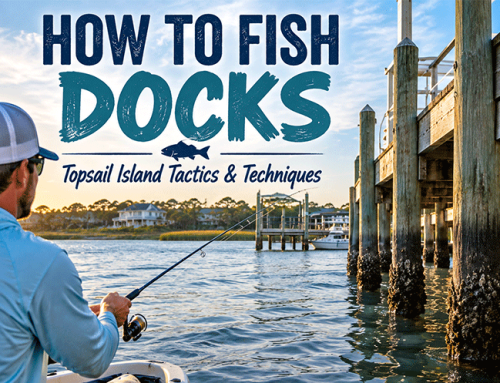
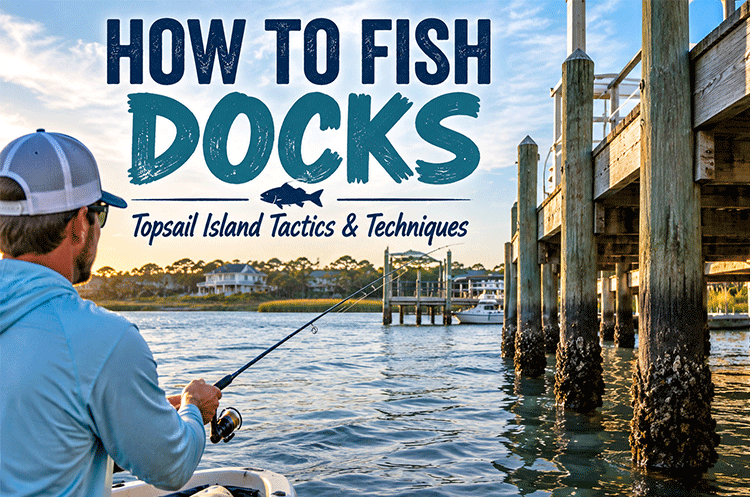
Docks remain one of the most versatile pieces of inshore structure available around Topsail Island. A productive dock may hold red drum, black drum, sheepshead, flounder, or speckled trout depending on the tide, depth, current, and available bait.
The better docks generally have something more than pilings alone. Look for deeper water nearby, oyster growth, current flow, a creek mouth, channel edge, or a clear route between shallow feeding water and deeper refuge.
Fish the outside edges first rather than immediately casting into the middle of the structure. Active red drum and trout may patrol well away from the pilings during lower-light periods.
As sunlight increases, work tighter to the shade line and the down-current side of pilings. Predators can sit behind the structure and allow the current to deliver food directly to them.
Black Drum and Sheepshead Still Reward Structure Fishermen
Black drum remain available around docks, bridges, oyster beds, and deeper structure. Fresh shrimp fished near the bottom remains difficult to beat.
Sheepshead continue to hold around barnacle-covered pilings, bridge supports, seawalls, and pier structure. Fiddler crabs, sand fleas, barnacles, and live shrimp are all productive choices.
Presentation is critical for sheepshead. Keep the bait close to the structure and maintain enough contact to detect a bite that may feel like little more than extra weight.
Both black drum and sheepshead can provide productive alternatives during the middle of the day when red drum and trout retreat from the shallowest water.
Spanish Mackerel Continue Along the Beachfront
Spanish mackerel remain one of the most dependable nearshore targets around Topsail Island. Fish continue to move along the beaches and around nearshore structure, with early morning generally providing the easiest conditions for locating active schools.
Trolling Clarkspoons behind planers or trolling weights remains the standard approach for putting numbers of fish in the boat.
Anglers searching for a better class of Spanish should pay attention to slightly deeper water and hard-bottom areas rather than remaining directly against the beach all day.
When fish push bait to the surface, casting metal jigs and spoons can provide fast action. Approach feeding schools from the outside and avoid running directly through the activity.
Bluefish Following the Same Bait
Bluefish continue mixing with Spanish mackerel along the beach and around inlet areas. September’s finger mullet movement should keep bluefish active from the surf out into nearshore water.
Gotcha plugs, spoons, diamond jigs, topwater lures, and cut bait will all produce.
Outgoing tides around the inlets can be particularly productive as mullet and other baitfish are carried toward the ocean. Spanish mackerel, bluefish, red drum, sharks, and other predators may all take advantage of the same bait concentration.
False Albacore Are Becoming a Nearshore Possibility
False albacore are beginning to show in Topsail-area nearshore waters, adding another exciting option for anglers who enjoy fast-moving surface action.
These fish can cover a tremendous amount of water quickly, so chasing them directly is rarely the best approach. Instead, watch the direction the school is moving and position the boat ahead of the fish.
Small metal jigs, compact spoons, and other baitfish-sized lures are good choices because false albacore frequently feed on very small forage.
Working birds can reveal a school from a considerable distance, but anglers should remember that the same birds may also be working over Spanish mackerel or bluefish. Either way, surface activity is worth investigating.
Surf Fishing Is Moving Toward the Fall Pattern
Surf fishermen are seeing a mixed bag that can include red drum, black drum, Virginia mullet, pompano, bluefish, spots, croakers, and smaller sharks.
Fresh shrimp and sand fleas remain excellent choices for bottom species, while cut mullet or menhaden are strong options for anglers specifically targeting red drum and larger bluefish.
Finger mullet moving along the beach are an increasingly important clue. If bait is traveling through a trough or gathering around a cut in the sandbar, predators are likely to use the same area.
Read the water before casting. Deeper troughs, sloughs, cuts, and changes in the breaking-wave pattern are more important than maximum casting distance.
Pier Fishing Remains Diverse
Topsail-area piers continue to provide Spanish mackerel and bluefish for anglers throwing Gotcha plugs, spoons, and casting jigs. Early morning and late afternoon remain the most productive periods for surface-feeding fish.
Bottom fishermen are seeing a typical September mix of black drum, Virginia mullet, pompano, croakers, spots, and occasional red drum or speckled trout.
With the flounder harvest season now closed, any flounder caught from the piers should be handled carefully and released under the current regulations.
Live-bait anglers working from the ends of the piers are increasingly interested in king mackerel as the fall pattern develops. Cobia and tarpon become less predictable as the season advances, but warm water can keep occasional opportunities around longer than expected.
King Mackerel Opportunities Continue Improving
King mackerel are becoming more consistent from nearshore waters out to deeper reefs and hard-bottom areas. The 8-to-20-mile range remains worth exploring when bait is present.
Slow-trolling live menhaden, cigar minnows, or small bluefish remains one of the most effective techniques. Drone spoons, strip baits, and diving plugs can also produce when live bait is unavailable.
Do not become too focused on a particular depth. Kings follow food. Menhaden schools, working birds, temperature changes, and bait marked around structure provide better clues than simply fishing the same coordinates every trip.
Offshore Bottom Fishing Remains Reliable
Bottom fishing continues to provide dependable offshore action around reefs, wrecks, hard-bottom areas, and ledges.
Black sea bass, vermilion snapper, grunts, porgies, and other structure-oriented species remain part of the mix, while anglers should carefully check current regulations for any species with seasonal or harvest restrictions.
Cut bait, squid, cigar minnows, and vertical jigs can all produce. Moving between several pieces of structure may be necessary until active fish are located.
A lighter spinning or trolling rod is also worth keeping ready because mahi, king mackerel, cobia, barracuda, or other predators can unexpectedly appear around productive offshore structure.
Choosing the Right Bait Matters More During the Fall Transition
September provides a perfect example of why bait selection should change with conditions rather than remain the same throughout the year.
Finger mullet are becoming increasingly important inshore and along the beaches. Shrimp remain a major food source around marshes and creeks. Offshore, menhaden, cigar minnows, and smaller schooling baitfish influence where pelagic species gather.
The best bait is often the bait already present where you are fishing.
If red drum are chasing finger mullet along a marsh bank, presenting a similarly sized live mullet or baitfish imitation makes sense. If trout are feeding on small shrimp around a creek mouth, a large baitfish may not be the most natural presentation.
Observing what is happening around you before reaching into the tackle box can save a considerable amount of time.
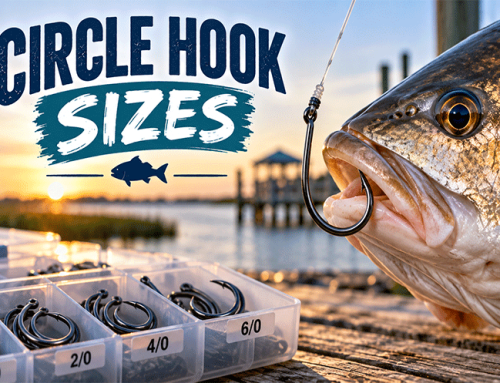
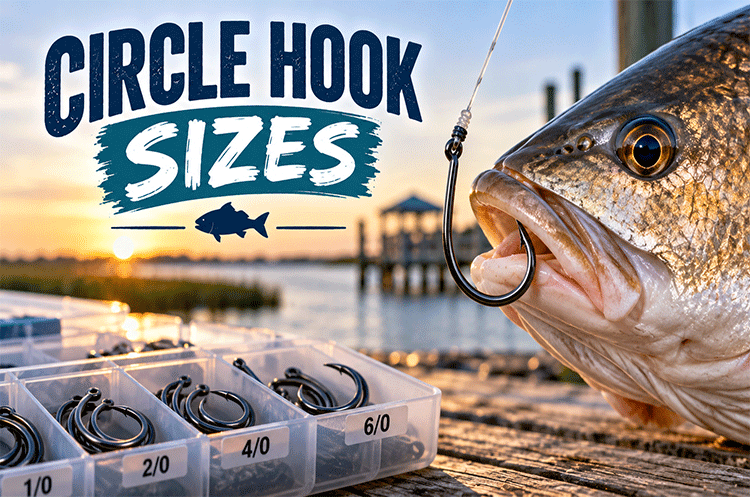
Circle Hook Size Matters Too
Choosing the correct circle hook is just as important as choosing the correct bait. A hook that is too small may not provide enough gap to clear a thick bait and properly engage the corner of a fish’s mouth. A hook that is unnecessarily large can overpower smaller baits and reduce the natural presentation.
Circle hooks work differently from traditional J-style hooks. Rather than aggressively setting the hook, anglers generally allow the line to tighten as the fish moves away, enabling the hook to rotate toward the corner of the mouth.
That makes matching hook size to the bait and target species especially important when fishing live or cut bait for red drum, black drum, sharks, and other coastal species.
What to Expect Next Week
The fall transition should continue gaining momentum as September moves toward its final weeks.
Red drum should remain the strongest inshore target, with increasing opportunities around creek mouths, marsh drains, docks, oyster structure, and inlet areas as finger mullet continue moving.
Speckled trout fishing should gradually become more consistent, especially as overnight temperatures moderate and fish spend more time feeding in shallower areas.
Spanish mackerel and bluefish should remain productive along the beaches, while false albacore may become increasingly noticeable in nearshore waters.
King mackerel opportunities should continue improving around bait schools and productive structure, and surf fishermen should see a progressively stronger fall mix as migrating bait concentrates along the shoreline.
Topsail.Fish Weekly Takeaway
The most important factor this week remains bait movement. Finger mullet are helping drive the red drum, flounder, bluefish, and nearshore bite, while shrimp continue influencing inshore trout and drum patterns.
Rather than beginning the day with one specific lure or bait already chosen, look at what the fish are feeding on. Match the size and profile of the available forage, then choose tackle that presents that bait naturally.
September is increasingly rewarding anglers who combine local structure, moving water, and active bait instead of relying on one productive location from earlier in the summer.
Best Bets for the Coming Week
Best Inshore Bet: Red Drum
Target creek mouths, marsh drains, docks, oyster points, and grass banks around moving water. Throw topwater plugs and paddle tails early, then switch to live finger mullet, shrimp, or fresh cut bait as conditions change.
Best Speckled Trout Bet: Live Shrimp
Fish live shrimp beneath a popping cork around creek mouths, current seams, oyster edges, and deeper holes after the early topwater bite slows.
Best Structure Bet: Sheepshead
Fish fiddler crabs, sand fleas, barnacles, or shrimp tight against bridge supports, dock pilings, and pier structure.
Best Surf Fishing Bet: Red Drum
Find cuts and troughs where finger mullet are moving and fish fresh cut mullet or menhaden on an appropriately sized circle hook.
Best Pier Bet: Spanish Mackerel
Cast Gotcha plugs and metal jigs during the first few hours of daylight when Spanish are feeding near the surface.
Best Nearshore Bet: Spanish Mackerel and False Albacore
Watch for birds and surface activity, troll Clarkspoons to locate Spanish, and keep light casting tackle ready when false albacore begin feeding.
Best Offshore Bet: King Mackerel
Follow bait around reefs, hard bottom, and the 8-to-20-mile range using live menhaden, cigar minnows, spoons, or trolling baits.
Weekly Wildcard Prediction
Watch for false albacore activity to become substantially more noticeable along the Topsail beachfront. A combination of concentrated small bait and improving September conditions could produce some of the season’s first sustained surface-feeding action for anglers carrying light spinning tackle.
Topsail.Fish Forecast Rating
Overall Fishing Outlook: ★★★★★ (4.5 out of 5)
Mid-September is offering excellent variety. Red drum remain dependable, trout are beginning to improve, Spanish mackerel and bluefish remain active, king mackerel opportunities are building, and migrating bait is setting the stage for an even stronger fall fishery.
Planning a Topsail Fishing Trip?
Browse the Topsail Island Fishing Season Guide to see how the local fishery changes throughout the year and which species typically peak each month.
Families and first-time anglers can explore our Kid-Friendly Fishing Trips for accessible fishing ideas and tips for making a day on the water enjoyable for younger anglers.
For rigs, techniques, bait presentations, and practical local fishing advice, browse the Topsail.Fish How-To Articles.
Ready to fish with a local professional? Browse the Topsail-area captain directory and Book a Charter for your next inshore, nearshore, or offshore fishing trip.
Fishing Intel Spotlight: Circle Hook Sizes
This week’s featured Topsail.Fish article tackles a question that sounds simple until you’re standing in front of a wall of hooks: what size circle hook should you actually use?
Circle Hook Sizes: A Complete Guide For Topsail Island Fishing explains how hook size relates to bait size, target species, hook gap, and presentation. The guide covers practical circle-hook choices for many of the fish Topsail anglers regularly pursue, helping remove the guesswork from choosing a hook for live bait or cut bait.
The subject is especially relevant during the September bait migration. Anglers fishing finger mullet for red drum need enough hook gap to clear the bait, while someone using a small piece of shrimp for black drum or sea mullet may need a much smaller presentation. Matching the hook to both the bait and the fish can improve hookups while allowing circle hooks to work the way they were designed.
Captain’s Corner: Picking the Right Bait with Captain Lee Parsons
This week’s Captain’s Corner features another installment of The Parsons’ Perspective from Captain Lee Parsons.
In The Parsons’ Perspective: Picking The Right Bait, Captain Lee discusses one of the most fundamental decisions an angler makes before presenting a line to a fish: choosing the bait that matches the situation.
That lesson fits perfectly with this week’s conditions. Finger mullet, shrimp, and other seasonal forage are moving throughout the Topsail fishery, and predators are responding to those food sources. Recognizing what fish are naturally feeding on—and then selecting a bait that fits the conditions—can make a significant difference in how productive a trip becomes.
Captain Lee’s video and this week’s Circle Hook Sizes guide work particularly well together: choose the right bait for the fish and conditions, then pair that bait with the right hook and presentation.
Keep Exploring Topsail Island Fishing Intel
The Weekly Fishing Report Summary is only one part of the fishing information available on Topsail.Fish. Our Topsail Island Fishing Intel Center brings together weekly fishing summaries, captain fishing reports, seasonal planning information, species guides, fishing piers, boat ramps, conditions, how-to articles, and practical local fishing knowledge in one place.
Whether you’re trying to decide what to target this weekend, choosing the right bait and hook, preparing for the fall red drum bite, or planning a future fishing trip to Topsail Island, start with Fishing Intel and explore the latest information from across the Greater Topsail Island fishing community.
Turn This Week’s Fishing Report Into Your Next Catch
Now that you’ve seen what’s happening around Topsail Island, take the next step by exploring detailed captain reports, checking seasonal fishing patterns, reviewing current conditions, and finding a local guide to help make your next trip a success.
🎣 Planning a fishing trip to coastal North Carolina? Before choosing a charter destination, discover why many anglers prefer Topsail Island’s less crowded waters, productive back bays, and outstanding inshore and surf fishing opportunities.
🎣 Planning a trip to the NC coast? Before you book a boat down south, check out why Topsail vs. Wilmington fishing offers a better backwater experience. 🎣

Are you a Topsail Area Captain?
Grow your charter business with an SEO-optimized listing in our directory. For just $12/month, we help you reach more anglers and secure the consistent bookings you need to thrive.