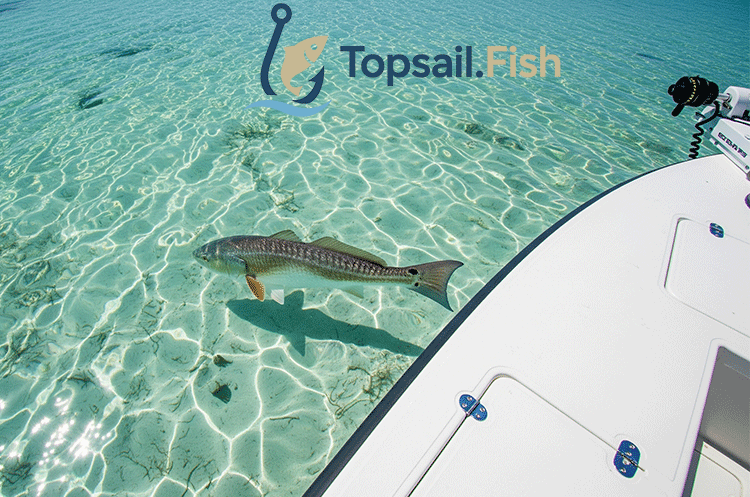
There are few experiences in inshore fishing more exciting than spotting a fish before making your first cast. Perhaps it’s a red drum cruising along a shallow sandbar, a subtle disturbance near an oyster point, or a shadow moving across the bottom of a marsh creek.
You see the fish. You know it’s there. Now comes the challenge: getting close enough to make a presentation without sending it swimming in the opposite direction.
That’s the appeal of sight fishing around Topsail Island. Instead of casting blindly and hoping something bites, you’re observing fish behavior, studying the water, and making deliberate decisions about when and where to cast.
But successful sight fishing requires more than sharp eyesight. Understanding tides, sunlight, water clarity, fish behavior, and the importance of a quiet approach can make the difference between a memorable catch and watching a fish disappear into deeper water.
Let’s explore the techniques that can help you become a more observant and effective sight fisherman in the waters surrounding Topsail Island.
What Makes Sight Fishing Different?
Traditional fishing often involves identifying promising structure, selecting a lure or bait, and casting into areas where fish are likely to be holding.
Sight fishing adds another dimension: you attempt to locate the fish before making your presentation.
Sometimes you’ll see the entire fish. Other times, you’ll notice only a shadow, a moving wake, a flash beneath the surface, or baitfish reacting to a predator.
That changes how you approach fishing.
Instead of asking only, “Where should I cast?” you begin asking:
- What direction is the fish moving?
- Is it actively feeding or simply traveling?
- Where is the current carrying bait?
- Will my movement or shadow alert the fish?
- Where should my lure land so the fish encounters it naturally?
These observations are the foundation of effective sight fishing.
Understanding Water Clarity Around Topsail Island
One important consideration is that Topsail’s inshore waters are not always crystal clear.
Water clarity can change significantly with tides, wind, rainfall, boat traffic, and the amount of suspended sediment in the water.
Shallow sandy areas near the inlets may provide excellent visibility under favorable conditions. Meanwhile, marsh creeks, oyster-lined shorelines, and portions of the Intracoastal Waterway may have naturally stained or murky water.
Neither condition automatically means the fishing will be good or bad.
However, visibility determines how effectively you can locate fish before casting.
For sight fishing, look for the clearest available water rather than expecting every location to offer perfect visibility.
Essential Equipment for Sight Fishing
Sight fishing doesn’t require an expensive collection of specialized equipment. A relatively simple inshore setup can work well, provided it allows accurate casting and a natural presentation.
Rods and Reels
A 7-foot medium-light or medium-power spinning rod paired with a 2500- or 3000-size spinning reel is a versatile choice for many Topsail-area inshore situations.
A responsive rod helps with accurate casting and lure control, while sufficient backbone is important when targeting red drum or fishing near structure.
Choose tackle appropriate for the species, cover, and conditions rather than assuming the lightest possible equipment is always best.
Fishing Line and Leader
Ten- to fifteen-pound braided main line is a common starting point for lighter inshore applications.
A fluorocarbon or monofilament leader in the 15- to 20-pound range can provide abrasion resistance and a less conspicuous connection between the main line and lure.
Leader strength and length should be adjusted for the species you’re targeting, nearby oyster shells, dock pilings, and other structure.
Fluorocarbon can be less visible underwater than some alternatives, but it isn’t invisible. Presentation, lure movement, and the fish’s behavior often matter more than leader material alone.
Lures and Natural Bait
Natural-looking presentations are particularly useful when targeting fish you can actually see.
Consider:
- Soft-plastic shrimp: Useful around marsh edges, oyster points, and shallow feeding areas.
- Small paddle-tail swimbaits: Effective for imitating finger mullet and other baitfish.
- Lightly weighted soft plastics: Allow a more controlled, subtle presentation in shallow water.
- Live shrimp or mud minnows: Natural bait options when conditions and target species make them appropriate.
The important consideration is not simply choosing a lure that resembles something fish eat. It’s presenting that lure in a way that appears natural and doesn’t immediately alarm your target.
Polarized Sunglasses
For sight fishing, a quality pair of polarized sunglasses is one of the most useful pieces of equipment you can carry.
Polarized lenses reduce reflected glare from the water’s surface, making it easier to distinguish bottom structure, moving shadows, and fish beneath the surface.
Copper, amber, and brown lenses are popular choices for variable inshore light conditions, although the best lens color depends on personal preference and the conditions you encounter.
A hat with a brim can further reduce glare and improve your ability to see into the water.
Reading the Water: Learn to Recognize Fish Before You See Them
Experienced sight fishermen don’t always see a clearly defined fish swimming beneath the surface.
Often, they recognize the signs that a fish is present.
Look for Moving Shadows
In relatively clear water, a cruising red drum may appear as a dark shape moving across a sandy bottom.
Watch for shadows that move independently of the surrounding water, grass, or stationary structure.
Don’t immediately cast at every dark shape. Take a moment to confirm that what you’re seeing is actually moving like a fish.
Watch for Nervous Water
Sometimes the surface reveals what the water conceals.
A fish traveling through shallow water may create a subtle V-shaped wake or push of water.
Schools of baitfish may also produce nervous water when predators move nearby.
Look for disturbances that don’t match the surrounding wind-driven ripples or tidal current.
These signs can be especially valuable when the water is too stained to see fish clearly.
Recognize Tailing Red Drum
Red drum sometimes feed in very shallow water with their heads angled toward the bottom.
As they search for crabs, shrimp, and other prey, their tails may briefly break the surface.
This behavior is commonly called tailing.
Seeing a tail doesn’t guarantee that a red drum will strike your lure. However, it can reveal a fish that is actively searching for food.
Approach carefully and observe its feeding direction before casting.
Follow the Bait
Finger mullet, shrimp, and other small forage species are important clues.
A concentration of bait along a marsh edge, creek mouth, or shallow point may indicate an area worth watching.
If bait suddenly scatters, jumps, or changes direction, look closely for a predator moving through the area.
Sometimes you’ll locate feeding fish by watching their prey rather than looking for the predators themselves.
Use Sunlight to Your Advantage
Sun position can make an enormous difference in your ability to see fish.
Bright sunlight often improves visibility into relatively clear, shallow water, particularly when the sun is sufficiently high to illuminate the bottom.
Keeping the sun generally behind you or over your shoulder can help reduce glare, depending on the angle of the light and water surface.
However, positioning also matters because your shadow, boat, or movement may become visible to the fish.
Experiment with your viewing angle and avoid placing yourself where your shadow falls directly across a fish you’re trying to approach.
When visibility is poor, shift your attention toward wakes, bait movement, and other surface clues.
Why Fish Spook: Understanding Their Awareness
Fish living in shallow water are constantly responding to their surroundings.
Predators, birds, boats, sudden shadows, vibrations, and unfamiliar movement can all represent potential threats.
A fish doesn’t need to understand exactly what caused a disturbance to react to it.
For an angler, that means seemingly insignificant actions can affect the outcome of an encounter.
Boat Noise and Vibration
Dropping a tackle box, slamming a compartment lid, or allowing equipment to strike the deck can create noise and vibration that travel into the surrounding water.
In shallow areas, these disturbances may alert nearby fish.
Secure loose equipment, move deliberately, and avoid unnecessary noise when approaching promising water.
Sudden Movement
Rapid movements near the water can attract attention, particularly when fish are close to the surface or traveling through very shallow areas.
Slow, controlled movements give you a better opportunity to observe the fish and prepare an accurate cast.
Shadows and Silhouettes
A boat or angler moving between the sun and a fish can create a noticeable change in light.
Fish may react to that sudden shadow, particularly in shallow water where they have limited room to escape.
Pay attention to where your shadow falls before approaching a visible fish.
Fishing Pressure
Fish that encounter frequent boat traffic, repeated casting, or other disturbances may become difficult to approach.
That doesn’t mean they are impossible to catch.
It means your positioning, timing, and presentation may need to become more deliberate.
From the Captains: The Parsons Perspective
Understanding why fish react to disturbances is an important part of becoming a better inshore angler.
Local fishing captain Lee Parsons explores this subject in his video, “The Parsons Perspective… Why Fish Spook.”
It’s a useful companion to the techniques discussed here because successful sight fishing often depends on recognizing how your own actions may influence the fish you’re trying to catch.
Watch Captain Lee Parsons: Why Fish Spook
The Art of a Quiet Approach
Once you’ve located a fish, the next challenge is getting into position without disturbing it.
Slow Down
Whether you’re fishing from a skiff, kayak, or shoreline, approach slowly enough to observe changes in the fish’s behavior.
If a fish suddenly accelerates, changes direction, or moves toward deeper water, it may have become aware of your presence.
Don’t automatically chase it.
Sometimes the better decision is to stop, watch, and wait for another opportunity.
Use the Wind and Current
Wind and current influence how you approach fish and how your lure moves after entering the water.
Position yourself so you can make a controlled cast without repeatedly correcting your boat’s position or retrieving your lure unnaturally against the current.
Where practical, use the environment to help you make a quieter, more accurate presentation.
Consider Wading Carefully
Wading can provide access to shallow areas without the noise of a boat, but it also introduces hazards.
Around Topsail, oyster shells, soft mud, submerged debris, changing tides, boat traffic, and potentially strong currents deserve careful attention.
Wear appropriate footwear, watch your footing, and avoid wading unfamiliar areas where depth, bottom conditions, or current may be hazardous.
In areas where stingrays may be present, shuffling your feet rather than taking large steps can help reduce the chance of stepping directly on one.
No fishing opportunity is worth risking your safety.
Make the Cast Before the Fish Reaches You
One of the most common mistakes in sight fishing is casting directly at the fish.
A lure splashing down beside a cruising red drum may immediately send it away.
Instead, study the fish’s direction and speed.
Try to place your lure ahead of its anticipated path, allowing the fish to encounter the presentation naturally.
The ideal distance depends on water depth, clarity, current, lure weight, and how the fish is behaving.
In very shallow, calm water, a soft landing may be especially important.
In deeper or more disturbed water, fish may tolerate a somewhat closer presentation.
There is no single distance that works every time.
The objective is simple: put the lure where the fish is going, not necessarily where it is right now.
Know When Not to Cast
Sometimes the best decision is to wait.
If a fish is moving directly toward you, casting immediately may create an unnecessary disturbance.
If it is feeding along a shoreline, watching its pattern for a few moments may reveal a better presentation angle.
If the fish is already showing signs of alarm, another cast may only make matters worse.
Patience is not wasted time in sight fishing.
It’s part of the technique.
How Tides Influence Sight Fishing Opportunities
Tides affect both where fish can travel and how easily you can see them.
On a rising tide, shallow areas may become accessible to feeding fish as water covers marsh edges, oyster structure, and other habitat.
On a falling tide, fish and bait may move toward creek mouths, channels, and deeper edges as shallow water drains.
Lower water can sometimes make fish easier to locate because their available habitat becomes more limited.
However, falling water may also leave certain areas too shallow to fish effectively.
Wind, rainfall, and suspended sediment can further influence visibility.
Rather than assuming one tide is always best, learn how different tide stages affect the particular areas you’re fishing.
For a deeper look at these relationships, read our updated guide: Understanding Tides and Weather for Inshore Fishing Success.
Where to Look Around Topsail Island
Topsail Island offers a variety of inshore environments where anglers can practice observation and sight-fishing techniques.
Shallow Marsh Edges
Marsh shorelines along the Intracoastal Waterway and surrounding creeks can provide feeding opportunities for red drum and other inshore species.
Watch for fish moving along the grass line, bait activity, and current flowing around points or small drains.
Sandy Flats Near the Inlets
Under favorable conditions, sandy areas around New River Inlet and New Topsail Inlet may provide better visibility than nearby stained water.
Look for moving shadows, subtle wakes, and bait concentrations along depth changes.
Inlet environments can also have strong currents, shifting shoals, and hazardous boating conditions. Choose locations appropriate for your experience and equipment.
Oyster Points and Creek Mouths
Oyster structure and creek mouths can concentrate bait and create current breaks that attract feeding fish.
These areas are particularly interesting when moving water carries forage past the structure.
Our article How to Fish Oyster Bars for Red Drum & Speckled Trout explores how to approach these productive inshore environments.
Protected Backwaters
On windy days, protected creeks and shorelines may offer calmer water and improved visibility.
Look for areas where the wind has less influence on surface glare and suspended sediment.
Remember that protected water isn’t necessarily clear water, and visibility can change throughout the tide cycle.
Fall Sight Fishing Around Topsail
Autumn brings changing conditions to the Topsail area as water temperatures gradually cool and seasonal bait movements become increasingly important.
Finger mullet, shrimp, and other forage can attract red drum, speckled trout, and additional inshore predators to areas where current and structure concentrate food.
Fall also offers opportunities to observe feeding activity along marsh edges, creek mouths, and shallow shorelines.
However, cooler weather doesn’t guarantee clear water or visible fish.
Wind, recent rainfall, tidal movement, and local bottom conditions still determine how well you can see beneath the surface.
When visibility is limited, watch for bait movement, wakes, surface disturbances, and other signs that reveal where fish may be feeding.
Learning to recognize these clues can make you a more effective angler even when traditional sight fishing isn’t possible.
Responsible Sight Fishing
Sight fishing creates an opportunity to observe fish in their natural environment, and that experience is worth protecting.
Handle fish carefully, minimize unnecessary time out of the water, and use appropriate tackle to avoid excessively prolonged fights.
If releasing a fish, wet your hands, support its body, and return it to the water promptly.
Be particularly mindful of fish showing signs of stress.
Respect sensitive marsh habitat, avoid damaging oyster structure, and observe posted restrictions or protected areas.
Always consult current North Carolina recreational fishing regulations before keeping any fish. Species-specific seasons, size limits, possession limits, and reporting requirements can change.
Learn From Local Fishing Captains
One of the fastest ways to improve your ability to recognize fish behavior is to spend time with someone who regularly fishes the same waters.
Experienced local captains can demonstrate how to approach shallow areas, identify subtle signs of feeding activity, interpret tides, and adjust presentations when fish become cautious.
Those lessons often extend far beyond a single fishing trip.
Explore our Topsail Island Fishing Captains directory to learn more about local charter opportunities.
Become a Better Observer
Sight fishing isn’t simply about seeing a fish and making a cast.
It’s about learning to interpret what you see.
A moving shadow may reveal a cruising red drum. A subtle wake may identify a fish traveling through shallow water. Scattered bait may indicate a predator nearby. A sudden change in direction may tell you that a fish has become aware of your presence.
Each observation gives you information you can use.
Over time, you’ll begin recognizing patterns that once went unnoticed.
And perhaps the most valuable lesson is this:
The more carefully you observe the water, the less you need to rely on guesswork.
For additional local fishing information, explore our Topsail Island Fishing Intel, browse our Fishing Articles, and stay informed with the latest Captain Fishing Reports.
Originally published: June 30, 2025
Updated: October 10, 2026

Topsail.Fish | Topsail Island Fishing Information | Local Fishing Captains | Fishing Reports | Tips & Advice
Keep Building Your Topsail Fishing Skills
Want to put this technique to work on your next trip? Use these Topsail.Fish resources to check current fishing activity, match your tactics to the season, review local conditions, and find more step-by-step fishing guides.
🎣 Planning a fishing trip to coastal North Carolina? Before choosing a charter destination, discover why many anglers prefer Topsail Island’s less crowded waters, productive back bays, and outstanding inshore and surf fishing opportunities.
🎣 Planning a trip to the NC coast? Before you book a boat down south, check out why Topsail vs. Wilmington fishing offers a better backwater experience. 🎣
Own a Fishing Charter Around Topsail Island?
Get your business in front of local anglers searching for fishing charters, guides, and inshore adventures on Topsail.Fish. Our directory listings are designed to help captains improve online visibility, increase bookings, and build a stronger local presence.
Professional listings start at just $12/month.