The Hidden Weapon of the North Carolina Shorebreak
If you have ever spent a morning soaking fresh bait on Topsail Island only to pull back bare hooks every three minutes, you have run directly into the beach angler’s greatest nemesis: bait-stealing blue crabs and persistent pinfish. When ocean currents push bait flush against the sand, bottom scavengers make short work of your presentation long before a trophy fish can locate it. Learning how to tie a north carolina surf float rig solves this exact problem by introducing targeted mechanical buoyancy to your terminal configuration, elevating your baits completely out of reach of bottom crawling pests.
Beyond simple bait preservation, the float rig relies heavily on visual attraction. High-energy surf zones like the ones bordering the Surf City Pier create a highly turbulent water column filled with churning sand and whitewash. Cruising predatory species—particularly Florida pompano, sea mullet, speckled trout, and ravenous bluefish—are visual sight-hunters. The addition of brightly colored foam floats right next to your hooks provides a striking visual beacon that dances rhythmically in the waves, mimicking moving coquina clams or protective sand flea egg sacks. By tying your own custom float rigs, you can perfectly calibrate line weights, float colors, and hook configurations to match the exact water clarity and target species of the day.
Step-by-Step Technical Blueprint: Assembling the NC Float Rig
Constructing a balanced surf float rig requires precision knot symmetry to prevent the floats from sliding or wrapping around the main backbone under long-distance casting pressure. Follow this detailed building progression to assemble a tournament-grade rig:
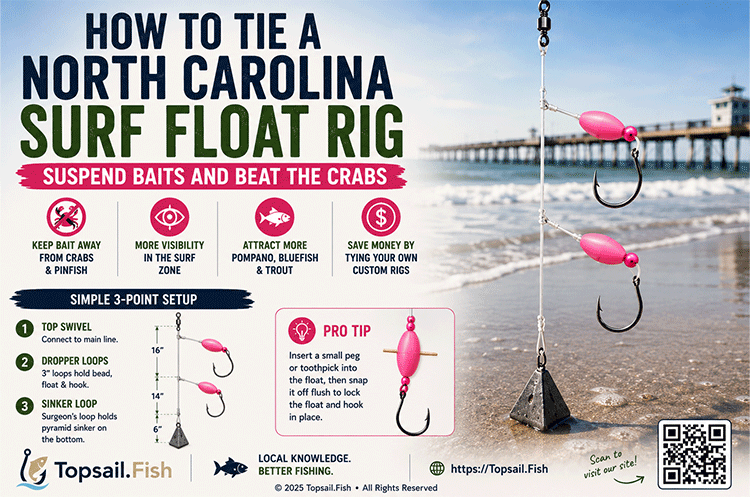
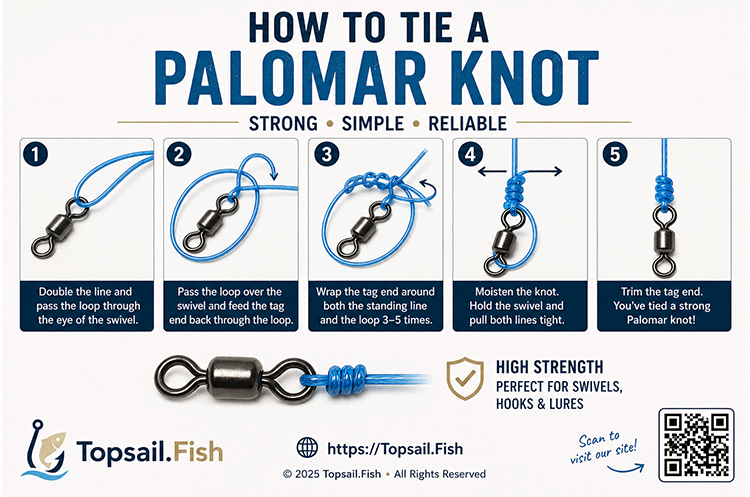
- Cut and Secure the Main Core Line: Measure and cut a clean 44-inch length of premium 30-to-40-pound monofilament or fluorocarbon leader material. Tie a high-strength size 5 barrel swivel to the absolute top of the line using a cleanly lubricated Palomar knot. This serves as your primary connection point to your main running line.
- Form the Primary Dropper Loops: Measure 16 inches down from the top swivel and tie a secure, 3-inch dropper loop. Move down another 14 inches along the main line and form a second identical 3-inch dropper loop. If you need a comprehensive, highly detailed refresher on the exact finger-wrapping motions required to secure this loop seamlessly, take a quick detour and review our structural guide on how to tie a dropper loop for surf fishing before completing your layout.
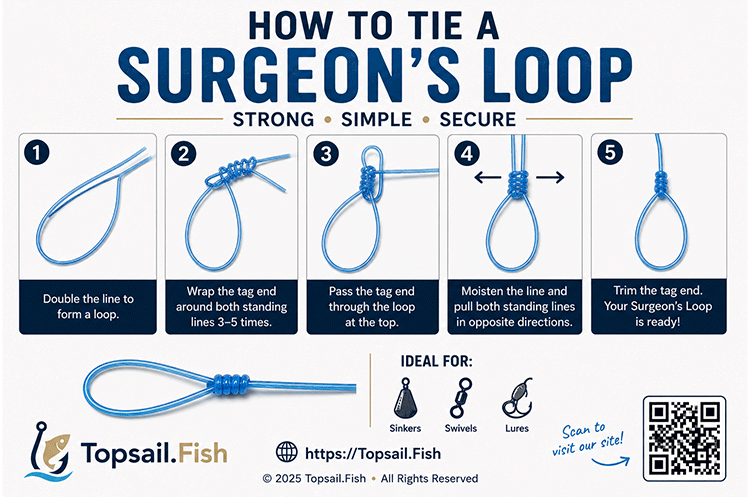
- Incorporate the Sink Base Loop: At the bottom tail-end of your 44-inch leader, tie a robust surgeon’s loop roughly 6 inches below your second dropper knot. This bottom loop will hold your pyramid sinker, anchoring the entire system to the ocean floor while allowing the floats above to lift your hooks cleanly into the water column.
⚓ Free Printable Companion Resource: Want to keep these exact North Carolina float rig dimensions and knot assemblies right at your rigging bench or on the beach? We have compiled the complete step-by-step schematic layout into a high-resolution, printer-friendly format. Download our Printable NC Surf Float Rig Construction Guide PDF to slip directly into your beach tackle box.
Pro Rigging Tip: To keep your floats locked securely against the hook eyelet without slipping up the line during a high-velocity power cast, insert a small plastic peg or a standard round toothpick directly into the center hole of the float, then snap it off flush against the edges. This locks the float and hook into a single, unified visual unit.
- Thread and Lock the Floats: Take one of your 3-inch dropper loops and compress the tip tightly. Thread the loop first through a small 4mm plastic attractor bead, then directly through the center axis of a 3/4-inch cigar or oval foam surf float (bright pink, chartreuse, or orange are local favorites).
- Loop-to-Loop Hook Integration: Once the bead and float are threaded onto the dropper loop, pass the compressed loop end directly through the eyelet of a size 2 to 2/0 inline circle hook. Loop the line completely over the entire bend and point of the hook, pulling it back down snug. The hook eyelet will now trap the float and bead perfectly against the loop. Repeat the entire process for the second dropper loop.
Float Style and Color Selection Matrix
The visual properties of your float selection should change depending on ambient sunlight, wave energy, and water clarity. Matching your float color profile to the specific conditions across Topsail’s beaches can drastically increase your daily hookup ratios.
| Float Color Profile | Ideal Water Clarity | Primary Target Species | Tactical Presentation Benefit |
|---|---|---|---|
| Neon Pink / White | Clean, green water | Florida Pompano, Sea Mullet | Perfectly mimics the bright egg clutches of native coquina clams and sand fleas. |
| Fluorescent Chartreuse | Dingy, churned sand/mud | Bluefish, Puppy Drum | Maximum high-contrast visibility inside dark wave troughs and heavy foam lines. |
| Muted International Orange | Low light, dawn/dusk | Speckled Trout, Spot | Silhouetted profile contrasts cleanly against dark skies and deep sandbar cuts. |
Tactical Placement: Where to Cast the Float Rig
Because this rig is engineered to suspend baits upward into the moving water column, casting location dictates your structural success. Do not simply launch your rig as far out into the ocean as possible. Sight-hunting predators like pompano travel through the beach troughs extremely close to the dry sand, navigating the turbulent white-water zones where waves spill across shallow outer bars.
Look for distinct “breaks” or color changes in the incoming shorebreak that indicate deeper sloughs or holes. Cast your float rig directly along the edges of these deeper pockets. The pyramid weight will hold firm on the bottom, while the ocean currents rattle the foam floats, sending a strong acoustic vibrational wave and bright flashes through the trough. To time these movements flawlessly around changing daily tides, review our master strategy guide, What Tide is Best for Fishing Around Topsail.
Bait Choices for Suspended Float Rigs
Because the rig lifts your hooks into the active water column, select baits that stay pinned securely under high-velocity current movement. Freshly shucked local shrimp wrapped tightly with elastic bait thread are excellent options. Alternatively, pairing a live sand flea with a small strip of artificial orange or pink scent strip ensures that even if small bait-stealers peck at the natural presentation, the colorful visual indicator remains attached to attract passing schools.
For more detailed breakdowns on how to harvest and preserve premium local baits to pair with your custom hand-tied float rigs, make sure to read our master guide, Bait School: Choosing And Using The Best Live Baits For Topsail Success. For high-quality hook components engineered specifically for circle hook self-setting properties, or source high-quality hook components directly from local tackle shops listed in our Topsail Island Fishing Directory. If you want a hands-on coaching session with professional surf anglers to see these specialized float rigs in action along our local beaches, explore our comprehensive Topsail Island Charter Captains Directory to schedule a trip.
Keep Building Your Topsail Fishing Skills
Want to put this technique to work on your next trip? Use these Topsail.Fish resources to check current fishing activity, match your tactics to the season, review local conditions, and find more step-by-step fishing guides.
🎣 Planning a fishing trip to coastal North Carolina? Before choosing a charter destination, discover why many anglers prefer Topsail Island’s less crowded waters, productive back bays, and outstanding inshore and surf fishing opportunities.
🎣 Planning a trip to the NC coast? Before you book a boat down south, check out why Topsail vs. Wilmington fishing offers a better backwater experience. 🎣

Are you a Topsail Area Captain?
Grow your charter business with an SEO-optimized listing in our directory. For just $12/month, we help you reach more anglers and secure the consistent bookings you need to thrive.