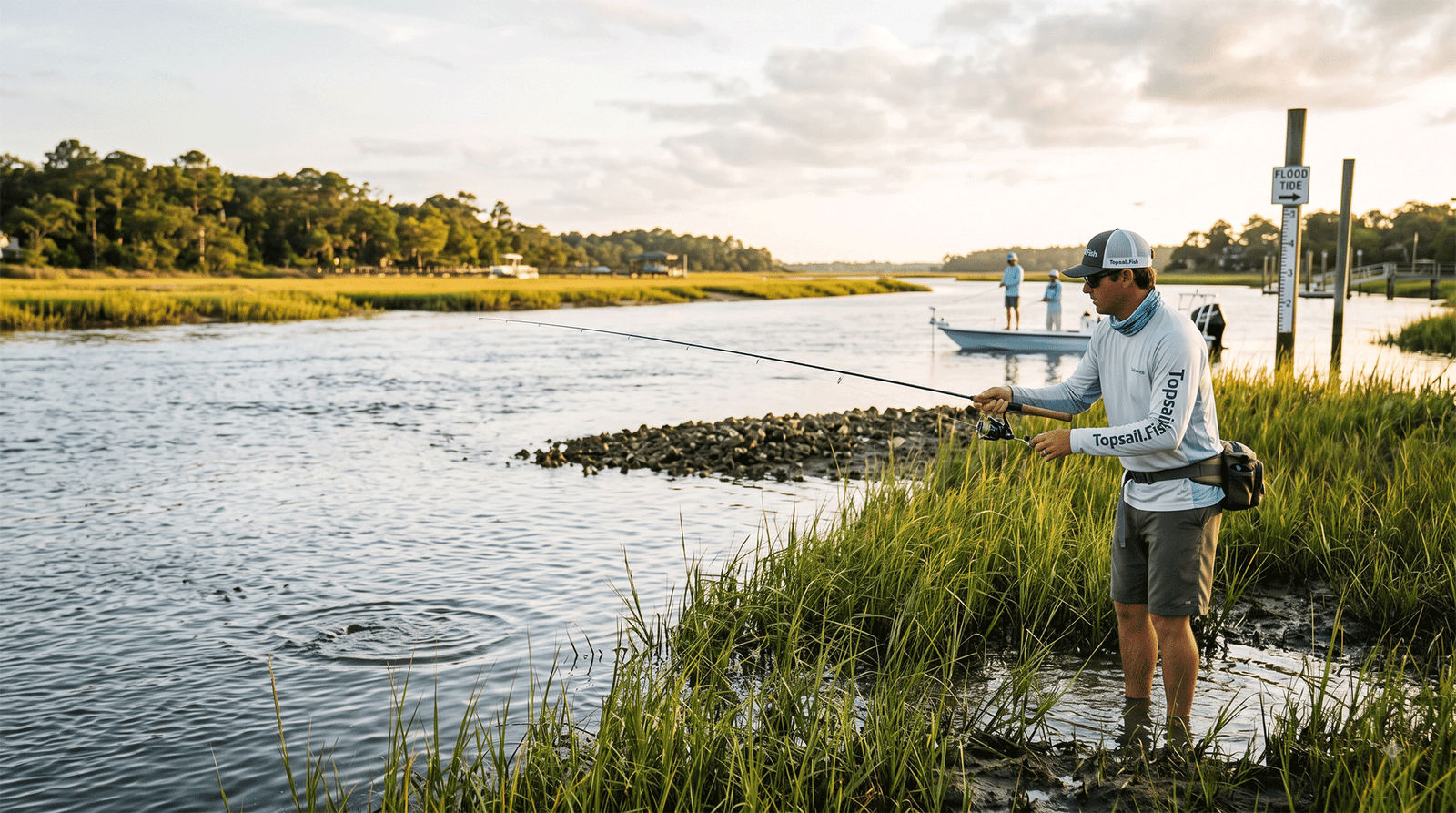
It’s a question as old as the sport itself, debated in bait shops and on boat docks around the world: “What tide is best for fishing?” Every angler, from the seasoned charter captain to the weekend hobbyist, knows that the moon’s rhythmic pull on the ocean is one of the single most influential factors in determining fishing success. If you show up when the water isn’t moving, you’re often just “practicing casting,” no matter how expensive your gear is or how perfect your presentation.
The short, simple answer that many experts give is: Any tide that is moving. But that answer, while true, only scratches the surface. To truly master the waters and increase your catch rate, especially when fishing specific locations like the diverse ecosystems around Topsail Island, NC, you must understand why the tide matters and how to predict the specific windows when fish will be actively feeding.
In this comprehensive guide, we will break down the mechanics of the tides, analyze the “why” behind feeding windows, and provide a tailored look at how to fish the unique, dynamic tidal systems of Topsail’s inlets, backwaters, and surf.
The Science of Movement: Why Fish Feed on Tidal Shifts
Before we can determine the “best” tide, we need to understand what tides actually do to the marine environment. Tides aren’t just water going up and down; they are massive, predictable shifts in the volume, depth, and velocity of the water column.
1. Creating the Marine food Chain: Food on the Move
The single most important function of the tide in a fishing context is its role as an automated food delivery system. When the tide changes velocity—either filling the marsh flats (flood tide) or draining them (ebb tide)—it creates a moving boundary that dislodges baitfish, crabs, shrimp, and other small organisms from their hiding places in the grass, mud, or structure.
Predatory fish, such as red drum, speckled trout, and flounder, aren’t randomly swimming around; they are highly evolved, opportunistic hunters. They know precisely when this food conveyor belt starts. They move into ambush positions to intercept the dislodged prey. If the water stops moving (slack tide), the dislodging stops, the food conveyor belt shuts down, and predatory fish—like efficient hunters—will conserve their energy and wait for the next shift.
2. Controlling Access and Safety
In estuarine environments, the tide determines where fish can safely hunt. On a high tide, predators can move onto shallow mudflats and into spartina grass where baitfish seek refuge. This allows them to “invade” areas that are inaccessible to them at low water. Conversely, a falling tide forces both predators and prey out of the shallows and into the deeper, defined channels and “holes.”
3. Affecting Water Quality (Temperature, Clarity, Salinity)
Tidal shifts are responsible for introducing drastic changes in water quality.
- Flood (Incoming) Tide: Usually brings in cooler, cleaner, clearer ocean water with higher salinity. This can be critical during hot summer months, often triggering an active bite as it refreshes stagnant backwater areas.
- Ebb (Outgoing) Tide: Carries warmer, sometimes murky or discolored water from the shallow marsh areas that have been baked by the sun or stirred by recent rain. This difference in color and temperature often concentrates bait at the mouth of tidal creeks.
Analyzing the Tide Cycle: Feeding Windows Broken Down
Let’s break down a typical, semi-diurnal (two high, two low) tidal cycle into its four primary phases and analyze the fishing potential for each. Note: While we break these into two-hour windows, the exact duration depends heavily on local bathymetry and wind.
Phase 1: The Rising (Incoming / Flood) Tide
The Window: Starts from the moment of slack low and continues for approximately six hours until slack high. Many coastal anglers consider the middle four hours of this rise (hours 2-5) to be the best general “feeding window” of the entire day.
Fishing Behavior: Predatory fish that have been concentrated in deeper holes move out and follow the waterline in. They are actively seeking food on newly available ground. This is an optimal time for species like Red Drum to “tail” in the shallows as they nose down to eat fiddler crabs and mud crabs.
Focus:
- Target flats, seagrass beds, and the mouth of tidal creeks as they begin to fill.
- Look for points or structure that deflect this incoming flow, creating eddies where predators ambush dislodged bait.
Phase 2: High Slack Tide
The Window: A 30-to-60-minute period when the incoming water velocity slows to zero before reversing direction. This usually happens at the maximum depth of the high tide.
Fishing Behavior: Often the worst fishing window of the entire cycle. While the water is at its deepest, allowing predators maximum access to backwater areas, the lack of current means the food delivery service has effectively shut down. Predators are less concentrated and often in an inactive “resting” pattern. Fish will still bite, but you have to actively put the lure right in their face.
Exception: High slack can be excellent for bridge piling fishing (sheepshead, tautog), allowing you to drop baits directly alongside the structure without strong currents sweeping your line away.
Phase 3: The Falling (Outgoing / Ebb) Tide
The Window: Starts from slack high and drains for six hours until slack low. The third through fifth hour of the ebb are legendary for flounder and drum.
Fishing Behavior: This tide is all about concentration. As the water drains off the flats and tidal creeks, predators and prey are forced into deeper, defined channels, holes, and creek mouths. This concentrates the biomass, making it the highest density of fish. Flounder, in particular, are masters of the ebb, positioning themselves in “ambush eddies” just outside of creek mouths, waiting for bait to be sucked out of the marsh.
Focus:
- Concentrate on the outflow points: creek mouths, sloughs, and channel drops.
- Flounder will often hold in the slacker water just behind a prominent point or oyster bed that breaks the main flow.
Phase 4: Low Slack Tide
The Window: The 30-to-60-minute period of zero velocity between ebb and flood.
Fishing Behavior: Similar to high slack, this is generally poor fishing due to lack of movement. Fish are often highly concentrated, but they are wary. They have nowhere to hide, and the lack of current means they have to exert more effort to hunt.
Exception: Low slack can provide unique opportunities to spot and stalk redfish in the extreme shallows of the flats, as their fins or backs are often fully exposed.
Local Focus: Understanding the Dynamic Tides of Topsail Island, NC
Fishing the tides effectively isn’t just about looking at a general chart; it’s about understanding the specific “plumbing” of your local area. The tidal dynamics around Topsail Island are particularly unique and dynamic, requiring local knowledge to unlock consistency.
The Two-Inlet System: New River Inlet vs. New Topsail Inlet
Topsail Island is defined by its two extreme ends, each controlled by a major inlet. New River Inlet is located on the north end (by Sneads Ferry), and New Topsail Inlet on the south end (near Hampstead).
The Topsail Dynamic: Tides can enter the Intracoastal Waterway (ICW) behind Topsail simultaneously from both ends. This creates complex and often unpredictable scenarios. The time of high tide in Surf City (the middle of the island) can be significantly delayed from the time posted for the ocean-side inlets.
Local Tip: Never rely solely on a standard surf or beach tide chart when fishing the sound or ICW. You must use a chart specific to the backwaters, such as the New River Inlet or ICW near Sloop Point charts. Often, the tide in the sound will lag an hour or two behind the ocean tide.
The “Squeeze Play” Tide: Local Backwaters and Marshes
In the vast spartina marsh complexes behind Topsail, the best tide often depends on the type of fishing you want to do:
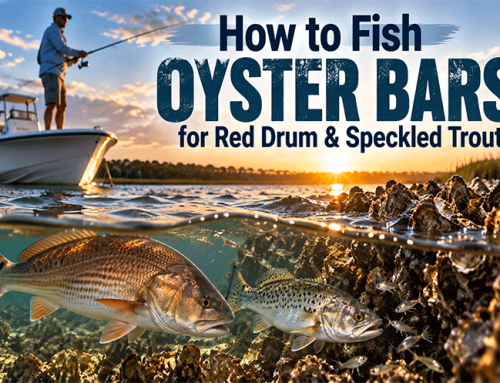
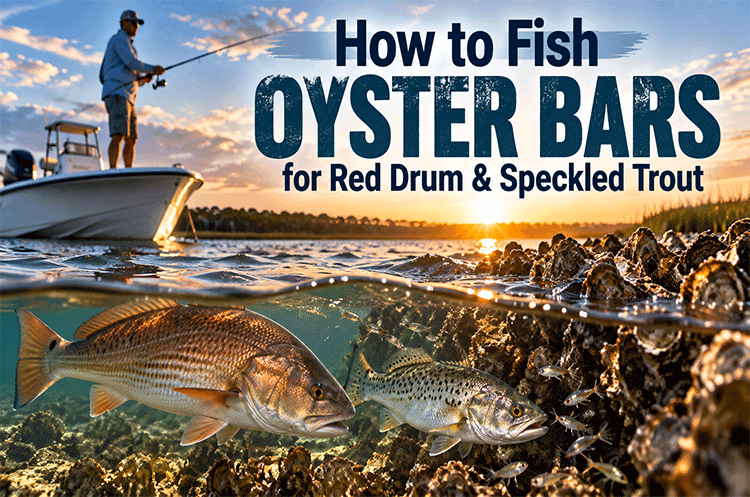
- For the Flood Tide (Rising): Target the deeper channel points and oyster bars first. As the water fills the main channels, fish will eventually move onto the flats. Experienced Topsail kayak and skiff anglers will often wait for the last two hours of the rising tide when fish are forced up onto the shallowest grass flats where they can be sight-casted.
- For the Ebb Tide (Falling): Position yourself outside of major tidal creek mouths (e.g., the large creek systems emptying into the New River). As the water drains, it pulls all the bait and predators into the main body of water, often creating massive feeding blitzes.
Wind: The Game-Changer of Topsail’s Tides
You can have a perfect tidal prediction, but if you don’t factor in the wind, your plan will often fail. On a flat island like Topsail, wind plays an outsized role.
How Wind Affects Topsail Tides:
- Strong Northeast (NE) Wind: A common wind on the NC coast. This wind actively pushes water into the inlets and south down the sound. It can “stack” water, making a high tide stay high for hours and a rising tide rush in faster than predicted. Conversely, it will make a low tide higher than average and slow down the ebb.
- Strong Southwest (SW) Wind: Pushes water out of the inlets. This will cause low tides to drain extremely low, sometimes fully exposing mudflats that rarely go dry. High tides during a strong SW wind will often be shallower than predicted.
The Local Squeeze: On a strong SW wind day, the best bite will often be during the incoming tide, as the clean, cooler ocean water is desperately needed to replenish the stagnant, super-low backwaters.
Surf Fishing Tides on Topsail Beaches
Surf fishing the Atlantic-side beaches of Topsail presents a different tidal challenge.
General Rule for Topsail Surf: Rising and Outgoing. Slack tides (both high and low) are almost always the least productive windows in the surf.
- Rising Tide in the Surf: Is generally preferred. As the clean ocean water fills the sloughs (deeper troughs running parallel to the beach), species like Pompano, Sea Mullet (Whiting), and Black Drum will move close to the shore, actively feeding in the newly stirred sand.
- Outgoing Tide in the Surf: Is excellent for species that rely on outflow (cut), such as Red Drum, Flounder, and even Spanish Mackerel. The outbound current creates “rip currents” (locals sometimes call them “outs”) that carry sand, foam, and dislodged food through the bars into the ocean. predators will hold right in the mouth of these rip currents, waiting for food to be delivered.
Checklist for Maximizing Your Best Tide
- **Identify Your Zone:** Is your chart for the ocean inlet or the specific area of the sound?
- **Wind Check:** Is the current wind stacking water (NE) or pushing it out (SW)? Adjust the depth and timing.
- **Identify “Outflow Points” vs. “Flooded Flats”:** Are you targeting concentrated predators forced off the marsh (falling tide), or invading predators looking to sight-feed (rising tide)?
- **Slack is (Usually) Over:** Don’t waste your best window during zero movement. Keep fishing, but actively seek structure or change tactics.
The Reality
There is no universal “magic tide” that catches fish every single time. However, there is a most productive window: The first and last two hours of strong, moving current ( flood hours 2-3 and ebb hours 4-5). By learning to predict these windows and applying specific local knowledge—like the dynamic interplay of Topsail’s two inlets and the critical role of wind—you move beyond guesswork and begin to fish with the tide, not against it.
Continue Exploring Topsail.Fish
Whether you’re planning your first trip to Topsail Island or you’ve been fishing these waters for years, Topsail.Fish brings together local fishing knowledge, current conditions, trusted charter captains, seasonal guides, and practical resources to help you make the most of your time on the water.
Follow Our Progress
Each month we publish a Topsail.Fish Monthly Report that shares how the website is growing, what anglers are searching for, how visitors are using the site, how they are connecting with local captains, and how participating businesses are gaining visibility. It’s our way of documenting the steady growth of the Greater Topsail Island fishing community.
🎣 Planning a trip to the NC coast? Before you book a boat down south, check out why Topsail vs. Wilmington fishing offers a better backwater experience. 🎣

Are you a Topsail Area Captain?
Grow your charter business with an SEO-optimized listing in our directory. For just $12/month, we help you reach more anglers and secure the consistent bookings you need to thrive.