
Fall Fishing on Topsail Island: Why Autumn Can Produce the Year’s Best Action
When the summer vacation crowds begin to thin, the days get shorter and the first cooler mornings arrive along Topsail Island, it can feel as though another coastal season is coming to an end. For anglers, however, September, October and November can signal something very different: the beginning of some of the most exciting fishing of the year.
Fall fishing around Topsail Island isn’t driven by a date on the calendar. It is driven by changing water temperatures, shortening daylight, weather patterns and, perhaps most importantly, the movement of bait. As mullet and other forage begin moving through our coastal waters, predators follow. Red drum, speckled trout, king mackerel, Spanish mackerel and other species can all provide outstanding opportunities during different portions of the fall transition.
That makes autumn an excellent season for everyone from experienced anglers hunting a memorable fish to families introducing a child to fishing for the first time. It is also a great time to fish with one of our local captains, who continue working these waters long after the summer tourism season begins to wind down.
Why Fall Changes the Fishing Around Topsail Island
Summer fishing around Topsail can be productive, but warm water, heavy recreational boat traffic and the heat of the day can affect when and where anglers find fish. Fall begins changing that equation.
As coastal waters gradually cool, baitfish begin moving through the sounds, creeks, inlets and along the oceanfront. Finger mullet are one of the most recognizable parts of this seasonal transition. Schools moving along the beach or pouring through an inlet can attract predators from several directions.
This is why fall fishing often rewards anglers who look for activity rather than simply returning to the same spot every trip. Watch for diving birds, nervous water, bait showering at the surface, current seams and concentrations of mullet along the beach. In the surf, pay attention to troughs, cuts through the sandbar and places where current gives predators an opportunity to ambush passing bait.
Weather still matters. A passing cold front, strong northeast wind or rough surf can change conditions quickly. Fall isn’t automatically good fishing every day, but the combination of comfortable temperatures and seasonal bait movement can create opportunities that make this one of the most anticipated times of the year.
Fall Red Drum: One of Topsail’s Signature Fisheries
Red drum are one of the fish most closely associated with fall along the North Carolina coast. Smaller red drum can be found in our inshore waters throughout much of the year, while larger mature fish may be encountered around inlets, along the beachfront and in nearshore waters during seasonal movements.
For surf anglers, fall is an excellent time to watch for mullet moving through the troughs and cuts along Topsail’s beaches. Fresh cut bait, live bait and appropriate artificial lures can all produce under the right conditions. Anglers fishing around inlets and from boats may also encounter schools of larger fish.
The excitement of hooking a large red drum is difficult to describe until you’ve experienced it. These are powerful fish capable of long runs, and landing one from the surf can become the memory of a season.
But the largest red drum are also an important part of the breeding population. In North Carolina, recreational red drum must currently measure between 18 and 27 inches total length to be retained, with a limit of one fish per person per day. Larger red drum must be released.
That makes appropriate tackle and careful handling particularly important. Use equipment heavy enough to land a large fish without unnecessarily exhausting it. Minimize the amount of time the fish spends out of the water, support its body when handling it, and return an overslot fish to the water as quickly as practical.
The photograph can last a lifetime. The fish doesn’t need to leave the water permanently to become a trophy.
Speckled Trout Come Alive as the Water Cools
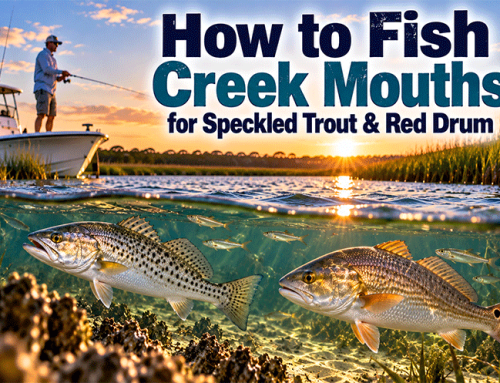
Speckled trout are another major reason Topsail-area anglers look forward to fall. Cooling water and concentrations of shrimp and small baitfish can create excellent trout fishing in creeks, marshes, around oyster structure, near inlet areas and along productive current edges.
Early mornings can provide exciting opportunities with topwater lures when conditions are appropriate. Soft plastics, suspending lures, shrimp imitations and live bait can also be effective as fish move and feeding patterns change.
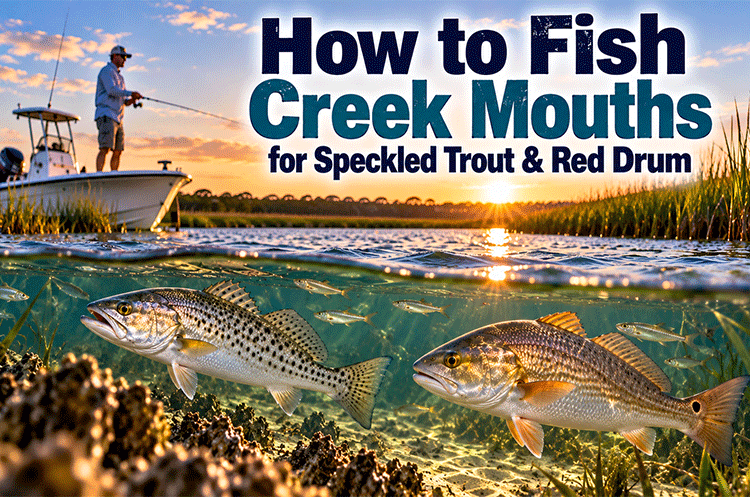
Rather than assuming trout will be everywhere, concentrate on the combination of bait, structure and moving water. A creek mouth draining on a falling tide, an oyster edge adjacent to deeper water or a current seam where bait is being swept past waiting fish can be much more productive than featureless water nearby.
Larger speckled trout are especially valuable fish, and anglers should handle them carefully whether a fish is being harvested legally or released. Regulations can change, so always check current North Carolina recreational size and bag limits before fishing.
King Mackerel and Spanish Mackerel Keep the Nearshore Waters Interesting
Fall isn’t only about inshore fishing. The ocean side of Topsail can remain very active as long as water temperatures and bait concentrations keep migratory species in the area.
King mackerel are one of the most exciting nearshore targets. They feed on species such as menhaden and mullet, and anglers commonly target them by slow trolling live or dead baits. Ocean piers can also provide opportunities when kings move within range.
Spanish mackerel may remain available during portions of the fall as they follow bait and suitable water temperatures. Fast-moving schools can create tremendous action for anglers casting small metal lures or trolling spoons and other compact offerings.
Exactly how long these fisheries remain productive varies from year to year. Water temperature, weather and bait movement matter more than simply saying that a particular species will be present until a particular date.
That’s one of the lessons of fall fishing: follow the conditions and the bait rather than the calendar.
The Fall Mullet Run Can Tie Everything Together
If there is one natural event that helps explain the excitement surrounding fall fishing, it is the seasonal movement of mullet along the coast.
When schools of finger mullet move out of creeks, through inlets and along the beachfront, they provide a concentrated food source for predators. Red drum, bluefish, Spanish mackerel, king mackerel and other species may all take advantage of that moving buffet at different times and locations.
For anglers, finding bait can therefore be more valuable than finding a favorite GPS coordinate or beach access. Watch the water. A dark patch moving down the beach may be bait. Birds repeatedly diving into one area deserve attention. Small fish suddenly spraying from the surface are usually trying to escape something larger.
Surf anglers should also look at how the water moves around sandbars and troughs. Bait tends to follow paths created by current, and predators often position themselves where that movement gives them an advantage.
If you’re still learning to identify those features, our guide to reading the surf explains how bars, cuts, troughs, waves and current can help reveal where fish are likely to travel and feed.
Fall Surf Fishing Doesn’t Have to Be Complicated
One of the best things about fall on Topsail Island is that you don’t necessarily need a boat to participate.
A basic surf setup, appropriate terminal tackle and fresh bait can put an angler within reach of red drum, bluefish, pompano, sea mullet and other seasonal visitors. The exact mix changes as the water cools, which is part of what makes fall interesting.
Instead of casting as far as physically possible, first learn what the beach in front of you is doing. Fish may be feeding in the first trough rather than beyond the outer bar. Look for deeper water, breaks in the waves and places where water is moving differently from the surrounding surf.
Match your tackle to the conditions and the fish you’re targeting. When using natural bait, proper hook selection is also important. Circle hooks can be an excellent choice for many bait-fishing situations because they are designed to catch near the corner of a fish’s mouth when used correctly.
Fall Is a Great Time to Take a Kid Fishing
Not every successful fishing trip needs to involve a trophy fish.
For a child holding a fishing rod for the first time, a small spot, croaker, pinfish or other willing participant can be every bit as exciting as a giant red drum is to an experienced angler.
Fall’s cooler temperatures can also make time outdoors more comfortable than the middle of a hot summer afternoon. Keep the first trips simple. Choose accessible water, use tackle a child can comfortably handle and concentrate on action rather than targeting the biggest fish available.
Most importantly, don’t make the number of fish caught the measure of whether the trip was successful. Let kids explore the beach, watch birds, examine shells, learn about bait and ask questions. Fishing provides an opportunity to teach much more than how to tie a knot or cast a line.
It is also an opportunity to introduce the next generation to stewardship. Teach young anglers why we have size and bag limits, why unwanted fishing line belongs in the trash rather than on the beach, why we handle fish carefully and why protecting the habitat matters.
Today’s child catching a first fish may become tomorrow’s angler, captain, conservation advocate or parent teaching another child to fish.
Our Kid-Friendly Fishing Trips section has more information for families looking for ways to enjoy fishing around Topsail Island together.
Fall Is Also a Good Time to Fish With a Local Captain
The summer vacation season may be slowing down, but local charter fishing doesn’t end when the beach crowds go home.
In fact, seasonal transitions are one of the times when local experience can be particularly valuable. Fish move. Bait moves. Water temperatures change. A productive location from several weeks ago may no longer be where the action is today.
Local captains spend their time watching those changes. They know the waters, have the appropriate equipment and can shorten the learning curve for anglers who want to experience fall fishing without figuring everything out on their own.
A charter can also be an excellent option for families and newer anglers. Tell the captain about the experience level of your group when booking. If children are coming along, ask about trip length, target species and the type of fishing planned so everyone has the best opportunity for an enjoyable day.
Booking a local captain has another benefit during the quieter months: it supports a local fishing business after the peak tourism season has passed.
You can find local Topsail-area fishing captains through the Topsail.Fish captain directory.
Stewardship Should Be Part of the Trophy
Fall provides opportunities to encounter some of the largest fish many recreational anglers will catch all year. That makes responsible fishing especially important.
A trophy doesn’t have to mean a fish hanging on a wall or even going into a cooler. For many species and sizes, the best trophy is a photograph, a quick measurement and a healthy fish swimming away.
Use tackle appropriate for the fish you’re targeting. Have pliers and release tools ready before the fish is landed. Avoid dragging large fish unnecessarily across dry sand. Keep photo sessions brief, and revive a tired fish when conditions require it before allowing it to swim away.
Anglers should also remember that fishing regulations are not static. Seasons, size limits, bag limits and reporting requirements can change. Check the latest North Carolina Division of Marine Fisheries information before heading out rather than relying on an old social media post, screenshot or article.
North Carolina also requires recreational harvest reporting for certain species, including red drum and spotted seatrout. Knowing the current rules is part of being a responsible angler.
Fall Fishing Best Bets Around Topsail Island
From the surf: Watch the mullet movement, read the bars and troughs, and concentrate on places where current and structure create natural feeding opportunities. Red drum and other surf species can make autumn especially rewarding.
From the piers: Pay attention to what bait is moving along the beachfront and what other anglers are seeing. Fall can bring opportunities ranging from bottom fishing to fast-moving predators.
Inshore: Follow bait, moving water and structure. Creeks, oyster areas, marsh edges and deeper channels can hold red drum, speckled trout and other species as conditions change.
Nearshore: Bait concentrations and water temperature become critical. King mackerel, Spanish mackerel and other migratory fish may provide excellent action while conditions keep them within reach.
For families: Keep it simple. Comfortable weather, accessible fishing and steady action are often more important than pursuing a particular trophy species.
The Tourists May Leave. The Fish Don’t.
There is something special about Topsail Island after the height of summer has passed. The beaches become quieter, mornings become cooler and those of us who live here begin settling into a different pace.
For anglers, that quieter season can be the beginning of something rather than the end.
Fall brings changing water, moving bait and opportunities for everything from a child’s first fish to the red drum an experienced angler remembers for years. It is a season for learning new water, revisiting favorite places, fishing with friends and supporting the local captains who work these waters throughout the year.
So don’t put away the fishing gear just because summer vacation is over.
Watch the weather. Follow the bait. Read the water. Take a kid fishing. Spend a day with a local captain. Handle the resource responsibly.
And enjoy one of the best parts of fishing Topsail Island: when the summer crowds head home, the fall fishing season is just getting started.

Topsail Fish | Topsail Island Fishing Guides | Topsail Island Fishing Captains | Topsail Island Fishing Charters | NC Wildlife Resources Commission
Plan Your Next Family Fishing Adventure
Whether you’re introducing a child to fishing for the very first time or planning your next family outing, explore our fishing resources to find the best seasons, current fishing conditions, family-friendly techniques, and experienced local captains who enjoy fishing with anglers of all ages.
🎣 Planning a trip to the NC coast? Before you book a boat down south, check out why Topsail vs. Wilmington fishing offers a better backwater experience. 🎣
Own a Fishing Charter Around Topsail Island?
Get your business in front of local anglers searching for fishing charters, guides, and inshore adventures on Topsail.Fish. Our directory listings are designed to help captains improve online visibility, increase bookings, and build a stronger local presence.
Professional listings start at just $12/month.